Tree Care
How to Prepare Your Yard for Tree Removal in Marietta
A Marietta homeowner's checklist for clearing access, protecting belongings, coordinating the work area, and staying safe on tree-removal day.
Read article →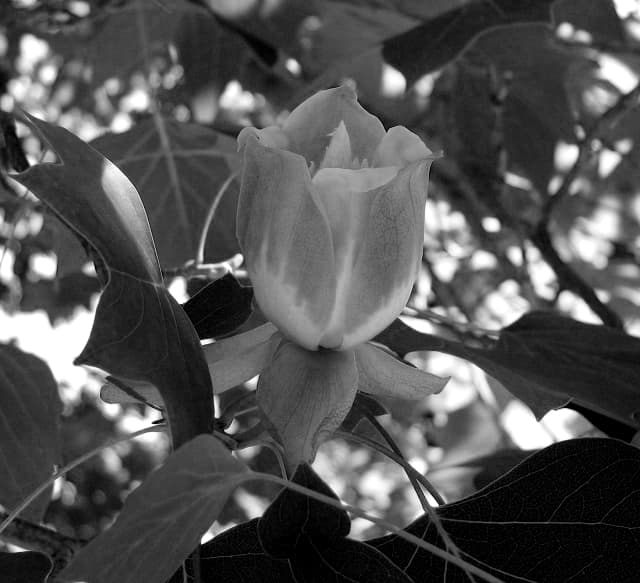
Georgia spring can move from a freezing morning to warm, stormy weather in the same week. Buds break early, soils may still be saturated from winter rain, and the first thunderstorms arrive before homeowners have a clear view of how every tree made it through the dormant season. That creates a short inspection and maintenance window: structure is still visible on many deciduous trees, but new growth and spring flowers are already changing what should be pruned.
A good spring visit is less about doing every possible task and more about making the right decision for each tree. Walk the property before the canopy fills in, identify hazards that could affect a roof or driveway, and separate work that belongs in late winter from work that should wait until after flowering or the next dormant season. A few careful checks now can prevent a broken limb from becoming an emergency after the first strong storm.
Late-winter structural pruning is generally the best time to correct deadwood, crossing branches, weak unions, and developing co-dominant stems on many Georgia trees. When the canopy is mostly open, an arborist can see the branch architecture and make smaller, more selective cuts before spring growth begins. Finish routine structural work before trees leaf out heavily, especially when a branch is close to a structure or power line.
Spring-flowering trees need a different calendar. Dogwoods and redbuds set flower buds on older wood, so aggressive pruning just before bloom can remove the display you have been waiting for. If shaping or thinning is necessary, plan it after flowering, using reduction and removal cuts rather than shortening branches indiscriminately. Tulip poplars also flower on mature branches, and their height makes climbing or large-limb work a professional job rather than a ladder project.
Crape myrtles are usually handled in late winter, not by cutting every branch back to stubs. Remove dead, rubbing, or poorly attached growth and preserve the tree's natural framework. Never top a tree to make it fit a space: topping creates weakly attached shoots, large wounds, and dense regrowth that becomes more vulnerable to wind. If a cut requires a chainsaw, climbing, work near a roof, or work within a utility clearance zone, stop and call a qualified arborist or the utility before touching it.
Before the first round of spring thunderstorms, stand back and inspect the whole tree, then look closer from the ground. Flag dead or hanging limbs, fresh cracks in the trunk or major branches, cavities, loose bark, and branch unions shaped like a tight V. Compare the tree with older photos if you have them: a new lean, lifted soil, or movement at the root flare can matter more than a lean that has been stable for years.
Pay special attention to targets. A structurally questionable limb over a roof, driveway, play area, or parked vehicle deserves a higher priority than the same defect over an unused part of the yard. Check for branches rubbing service lines, but do not prune near energized lines yourself. Contact the utility for line-clearance concerns, and use an arborist for trees that require climbing, rigging, traffic control, or removal of large limbs.
Do not wait for a storm warning if you see a hanging branch, a split that is opening, root movement, or a tree leaning farther than it did last season. These conditions can fail in ordinary wind. Keep people and pets out of the potential fall area while you arrange an assessment, and never stand beneath a suspended limb to take a closer look.
Spring is a useful time to reset the root zone, but mulch should be measured rather than piled. Maintain a broad ring about 2 to 4 inches deep, extending toward the tree's drip line when practical. Leave several inches of clear space around the trunk and keep the root flare visible. Mulch touching the bark holds moisture against the trunk, hides defects, and encourages shallow roots that can girdle the tree.
Use the spring walk to look for compacted soil, standing water, exposed roots, erosion, or changes caused by construction and grading. Roots need oxygen as well as water, so repeatedly saturated soil or a downspout discharging at the trunk can be as damaging as drought. Redirect concentrated runoff without changing the grade around mature roots, and ask an arborist about aeration when foot traffic or equipment has compacted the soil.
Healthy, established trees do not automatically need fertilizer every spring. Test the soil first when growth is poor or leaves show a persistent, specific symptom. Extra fertilizer cannot repair root damage, drainage problems, or a structural defect, and quick-release products can wash into waterways. Protecting soil structure, moisture consistency, and the root flare usually provides more benefit than adding nutrients by guesswork.
Dogwood and redbud are among the first trees many Georgia homeowners notice in spring. Their flowers are carried on older twigs, so the best after-bloom work is light and purposeful: remove dead or damaged branches, correct a rubbing branch, and preserve the main structure. Avoid removing a large percentage of the crown at once, particularly on a tree already stressed by drought, compacted soil, or root disturbance.
Tulip poplar can put on impressive spring flowers and rapid growth, but its size makes defects harder to spot and work harder to perform safely. Look for dead upper limbs, narrow attachments, and branches that could reach a structure as the canopy expands. A professional assessment is especially important for mature tulip poplars close to homes, driveways, or play spaces.
Crape myrtle follows a different schedule from spring-flowering dogwood and redbud. Late-winter cleanup is generally preferable, while spring work should focus on removing dead, damaged, or poorly placed shoots without creating a thicket of weak regrowth. The goal for every species is not a uniform calendar; it is a healthy structure matched to the tree's biology, size, and location.
□ Walk the entire property before full leaf-out and photograph anything that looks different from last year.
□ Look for dead, hanging, cracked, or rubbing limbs and note what they could hit if they failed.
□ Check trunks and root flares for new lean, lifted soil, cavities, decay, or mower and string-trimmer damage.
□ Confirm mulch is 2 to 4 inches deep, spread wide, and pulled away from the trunk.
□ Check for compacted soil, standing water, erosion, exposed roots, and downspouts sending water toward a trunk.
□ Prune only when the species and timing are right; protect spring-flowering trees until after bloom.
□ Keep ladders and saws away from power lines, and arrange utility clearance through the utility company.
□ Schedule an arborist for hazards that require climbing, chainsaw work, rigging, or a closer structural assessment.
Call before spring storms when a tree has a new or worsening lean, root-plate movement, a split trunk, a cracked major limb, hanging wood, extensive deadwood, or decay near an important branch union. Also call when a tree is large enough that a falling limb could reach a home, vehicle, road, or power line. The safest assessment is made from the ground by someone who can determine whether pruning, cabling, monitoring, or removal is appropriate.
Spring is also the right time to get advice when a flowering tree is declining, a young tree has not established well, or a landscape change has altered drainage around mature roots. An assessment can turn a long list of worries into a prioritized plan and help you avoid pruning that removes flowers or creates new defects.
Our certified arborists provide tree assessments across Cobb County, including Marietta, Kennesaw, Smyrna, and Acworth. If you have found a storm hazard or are unsure what your trees need this spring, request a visit online or call 762-283-8733 for a free on-site assessment before the next storm puts the decision out of your hands.
Keep reading
A Marietta homeowner's checklist for clearing access, protecting belongings, coordinating the work area, and staying safe on tree-removal day.
Read article →A practical guide for Atlanta-area homeowners comparing tree-service estimates, safety plans, cleanup, stump work, and emergency availability.
Read article →Georgia homeowners can spot hanging limbs, trunk defects, leaning, decay, and storm damage before a tree threatens people or property.
Read article →FREE ON-SITE ASSESSMENTS ACROSS COBB COUNTY.
Serving Marietta, Kennesaw, Smyrna, Acworth, and greater Cobb County. Our certified arborists will tell you exactly what's going on — no pressure, no upsell.