Affordable Tree Experts — Marietta GA
KNOW YOUR TREES —
GEORGIA'S MOST COMMON SPECIES
Being able to identify the trees on your property is the first step toward keeping your home safe. Different species carry very different risks — from internal decay that hides behind a healthy-looking canopy, to surface roots that silently buckle your driveway. Use this guide to recognize what's growing in your yard, understand how it behaves in Georgia's storms, and know when to call an arborist.
LOBLOLLY PINE
Pinus taeda
 bark
bark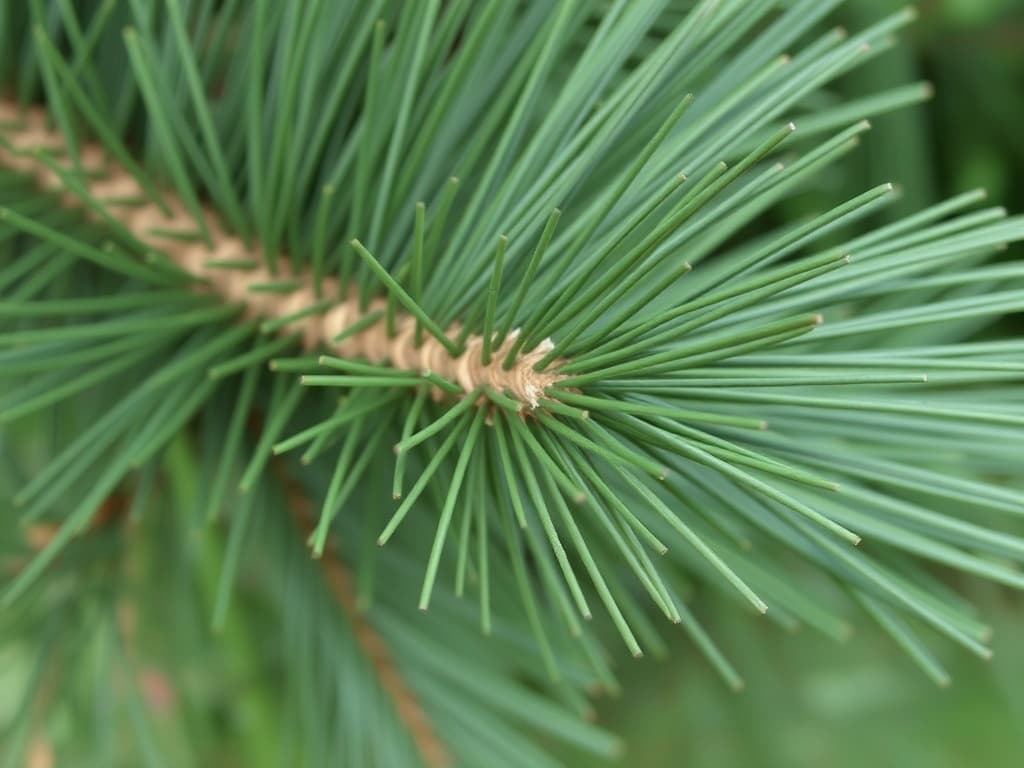 leaf
leaf form
form cone/fruit/seed
Photos: some owner-supplied (no attribution required); others Wikimedia Commons / CC BY-SA 3.0–4.0
ID Features
- Long needles in bundles of 3, 6–9 inches
- Reddish-brown plated bark on mature trunks
- Tall, straight silhouette with high crown
60–100 ft tall, 1–2 ft trunk diameter
Risk Notes
- Root rot in poorly drained or wet soils weakens anchor roots
- High wind-throw risk — entire root plate can uproot in storms
- Ice accumulation on long needles dramatically increases failure load
- Tip moth and pine beetle infestations can rapidly kill trees
Remove dead branches annually. Monitor for beetle activity (pitch tubes on bark). Avoid soil compaction around root zone. Have a certified arborist assess lean and root condition every 3–5 years.
WHITE OAK
Quercus alba
 bark
bark leaf
leaf form
form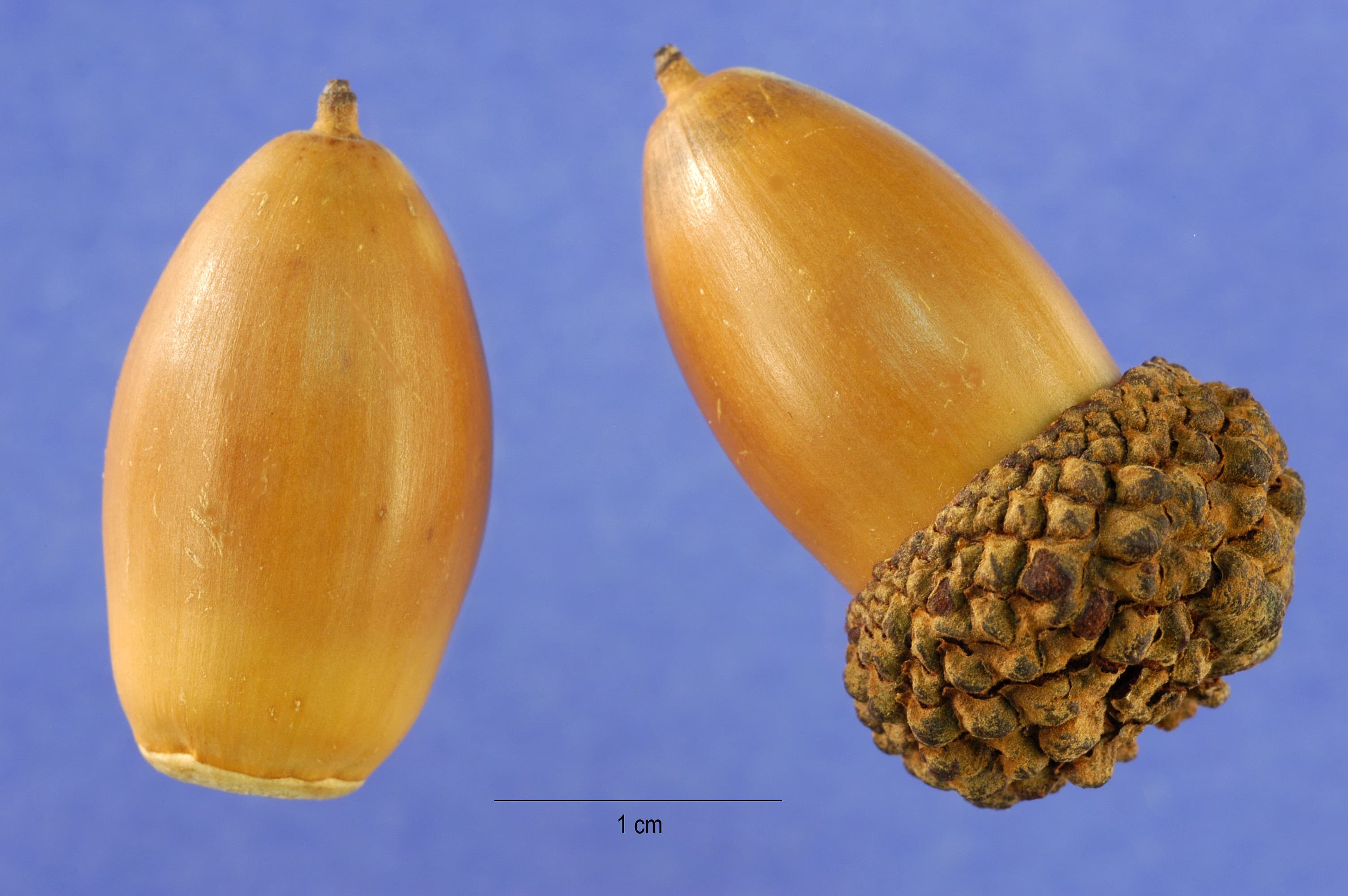 cone/fruit/seed
 fallColor
Photos: some owner-supplied (no attribution required); others Wikimedia Commons / CC BY-SA 3.0–4.0
ID Features
- Rounded lobes with no bristle tips (unlike red oaks)
- Whitish-gray, flakey blocky bark
- Broad, spreading canopy — often wider than tall at maturity
60–100 ft tall, 2–4 ft trunk diameter
Risk Notes
- Co-dominant stems (multiple leaders) create included bark — high splitting risk
- Massive canopy weight amplifies wind load on attachments
- Long-lived (200–600 yrs) but limbs become increasingly heavy with age
- Slow to show external symptoms of internal decay
High-value specimen — prioritize preservation. Structurally prune co-dominant stems early in the tree's life. Cable and brace mature trees with poor structure. Avoid soil disturbance within the drip line.
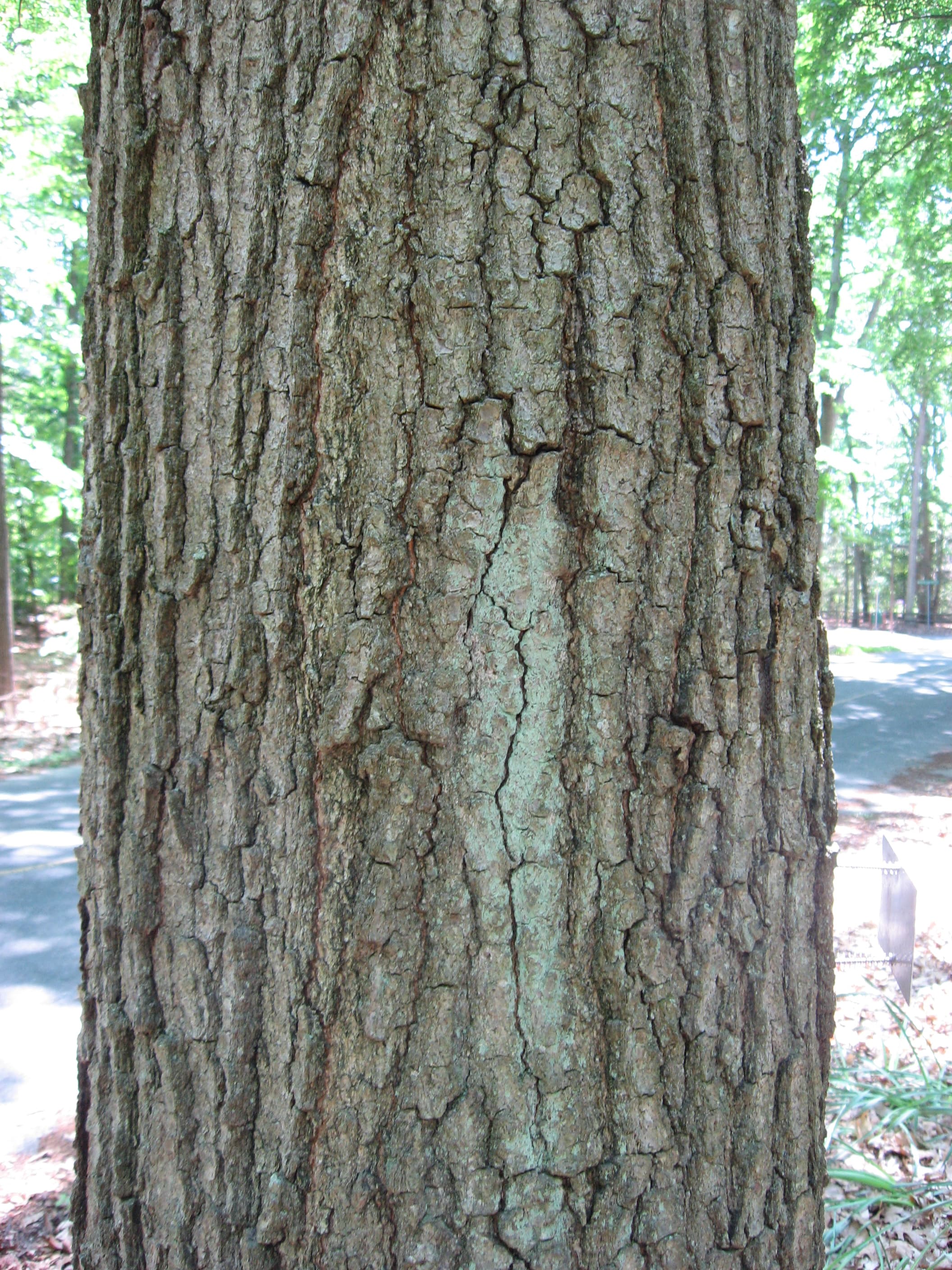
WILLOW OAK
Quercus phellos
 bark
bark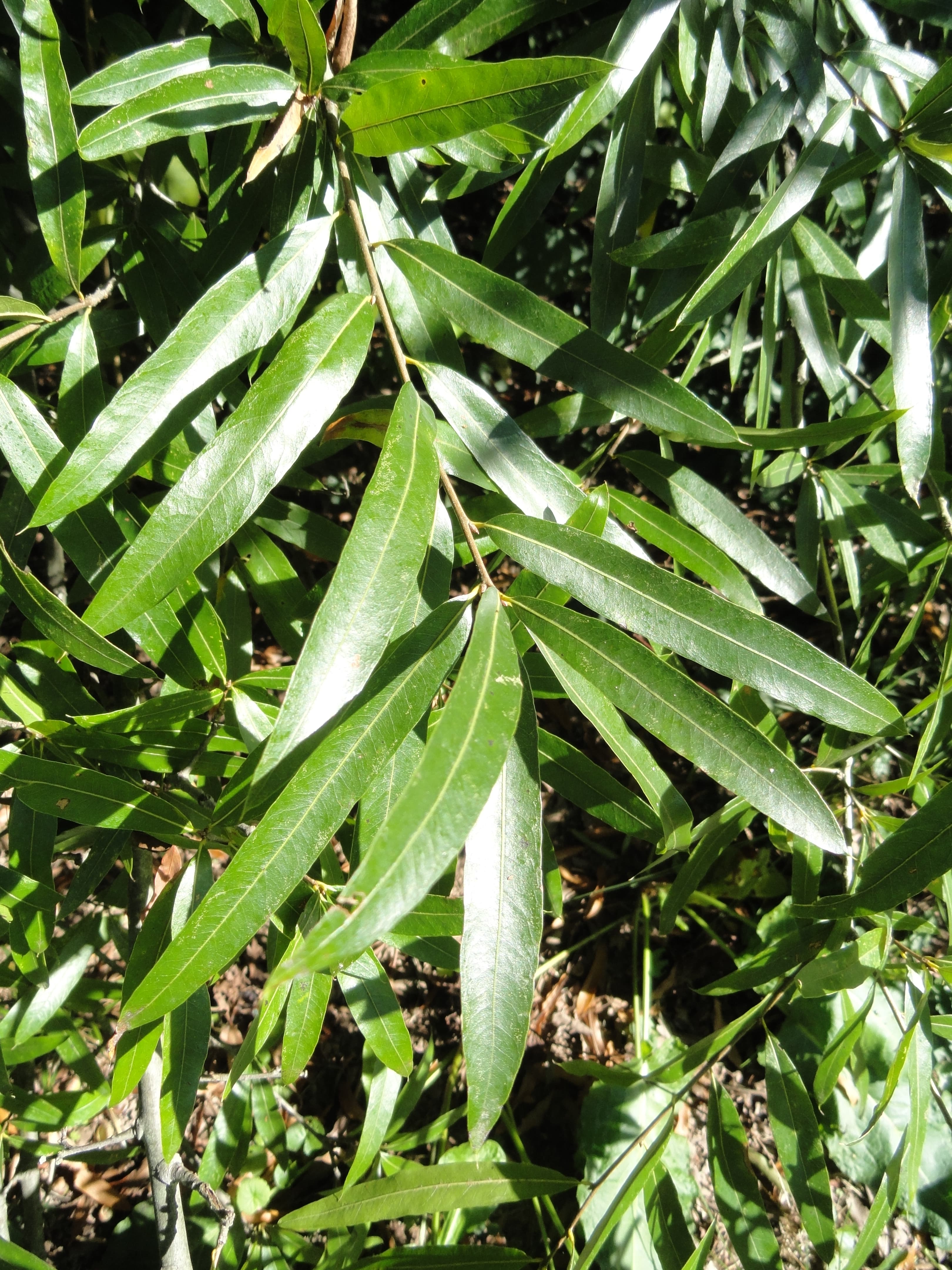 leaf
leaf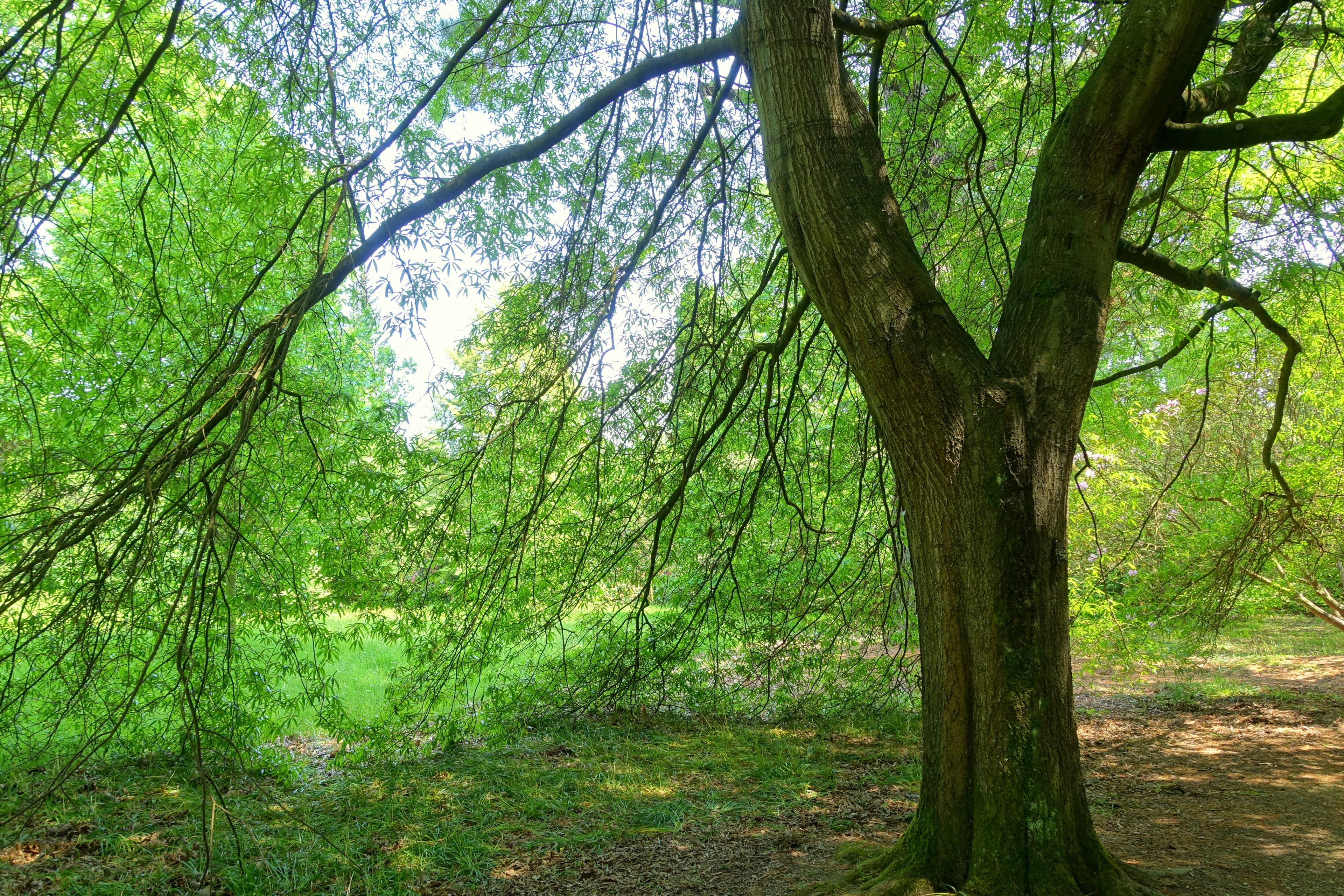 form
form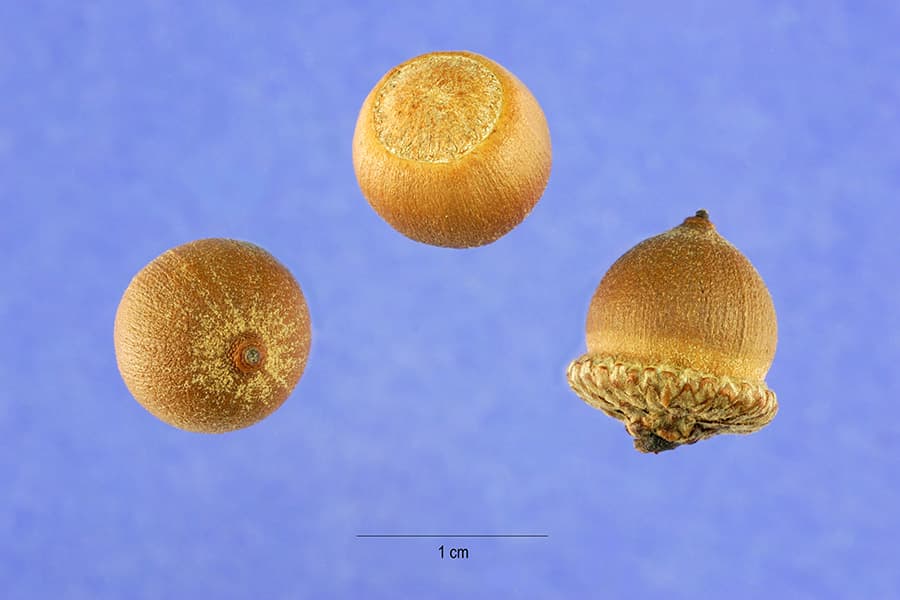 cone/fruit/seed
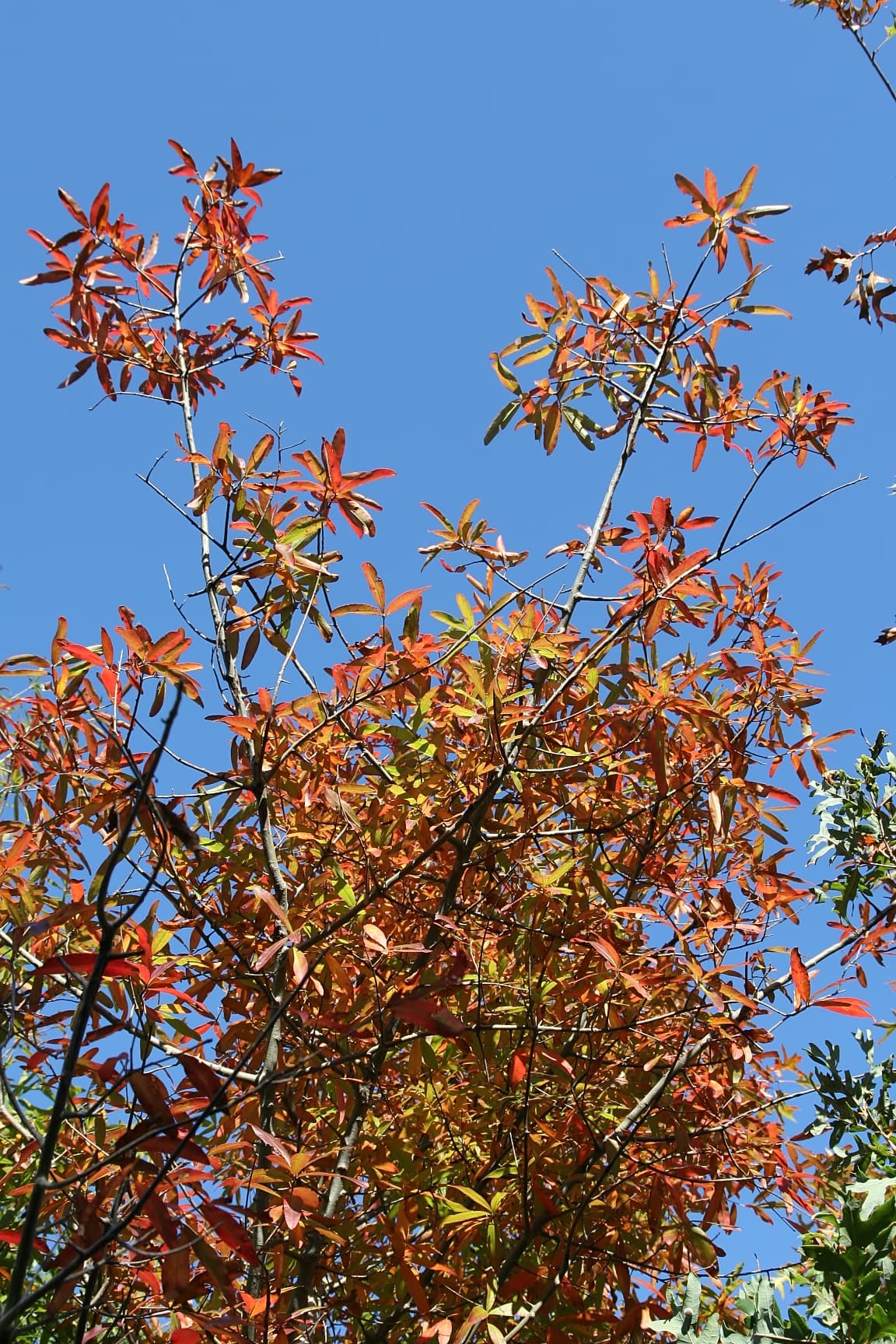 fallColor
Photos: some owner-supplied (no attribution required); others Wikimedia Commons / CC BY-SA 3.0–4.0
ID Features
- Narrow, willow-like leaves — distinctive among oaks
- Smooth gray bark that furrows with age
- Round, dense crown — a common street and yard tree
40–75 ft tall, 1.5–3 ft trunk diameter
Risk Notes
- Aggressive surface roots buckle sidewalks, driveways, and foundations
- Brittle small-diameter branches shed frequently after storms
- Root competition with turf and nearby plantings
- Leaves are small and hard to rake — high leaf litter
Do not plant near pavement or structures. Structural pruning while young reduces branch shedding. Root barriers may protect nearby hardscape. Deadwood removal every 3 years recommended.
WATER OAK
Quercus nigra
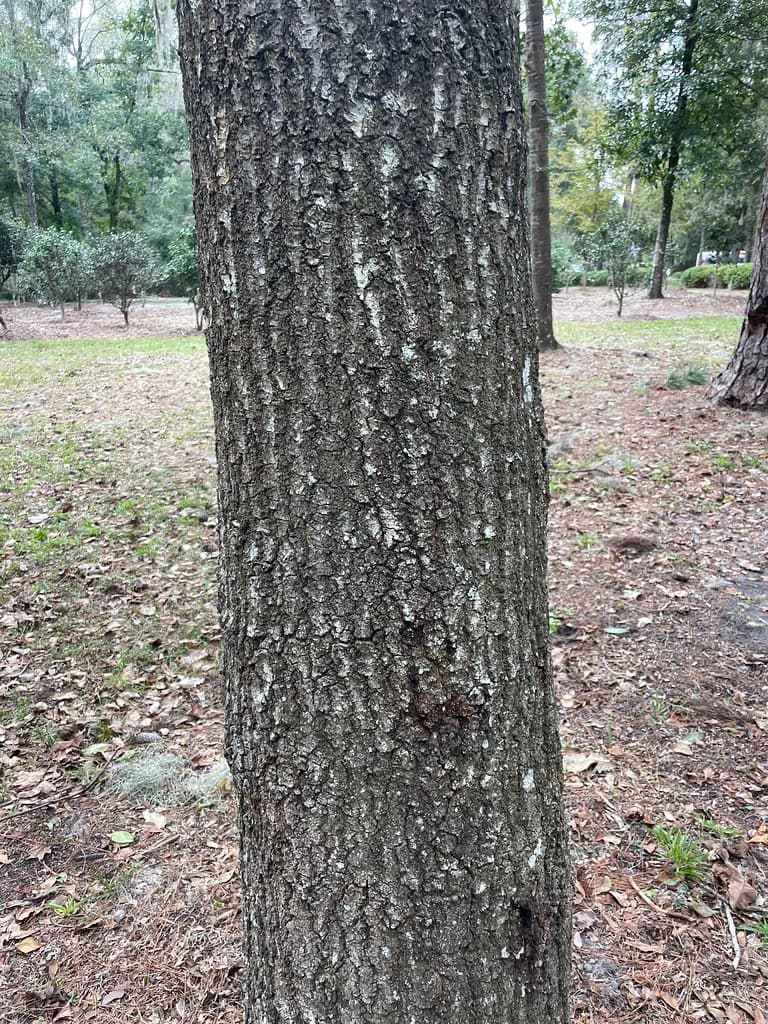 bark
bark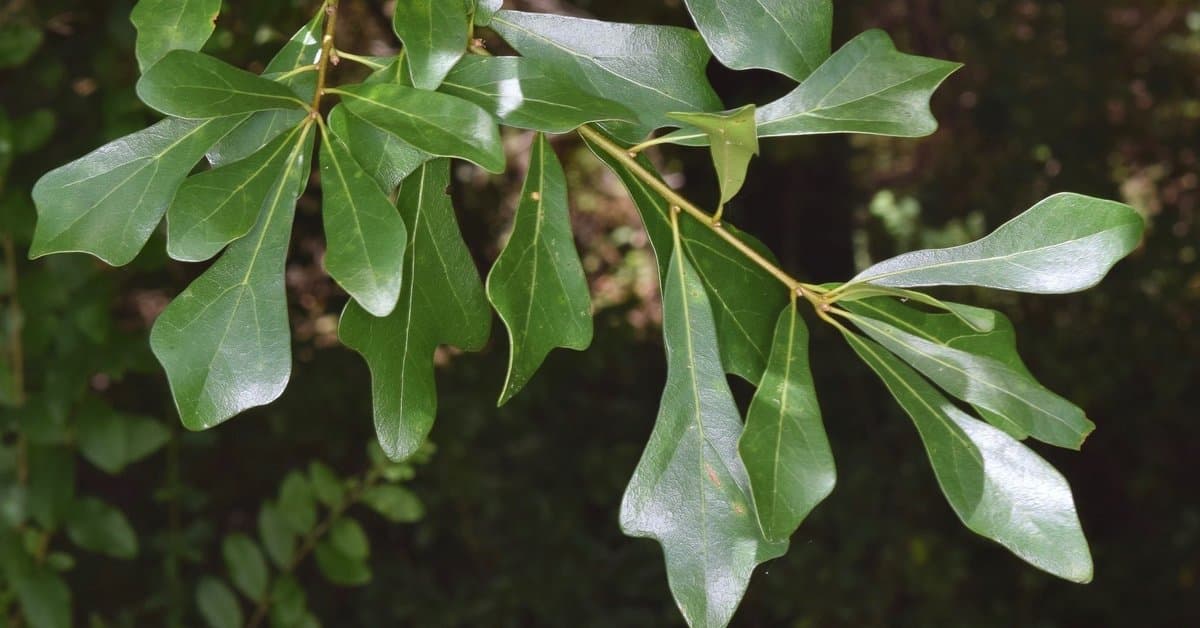 leaf
leaf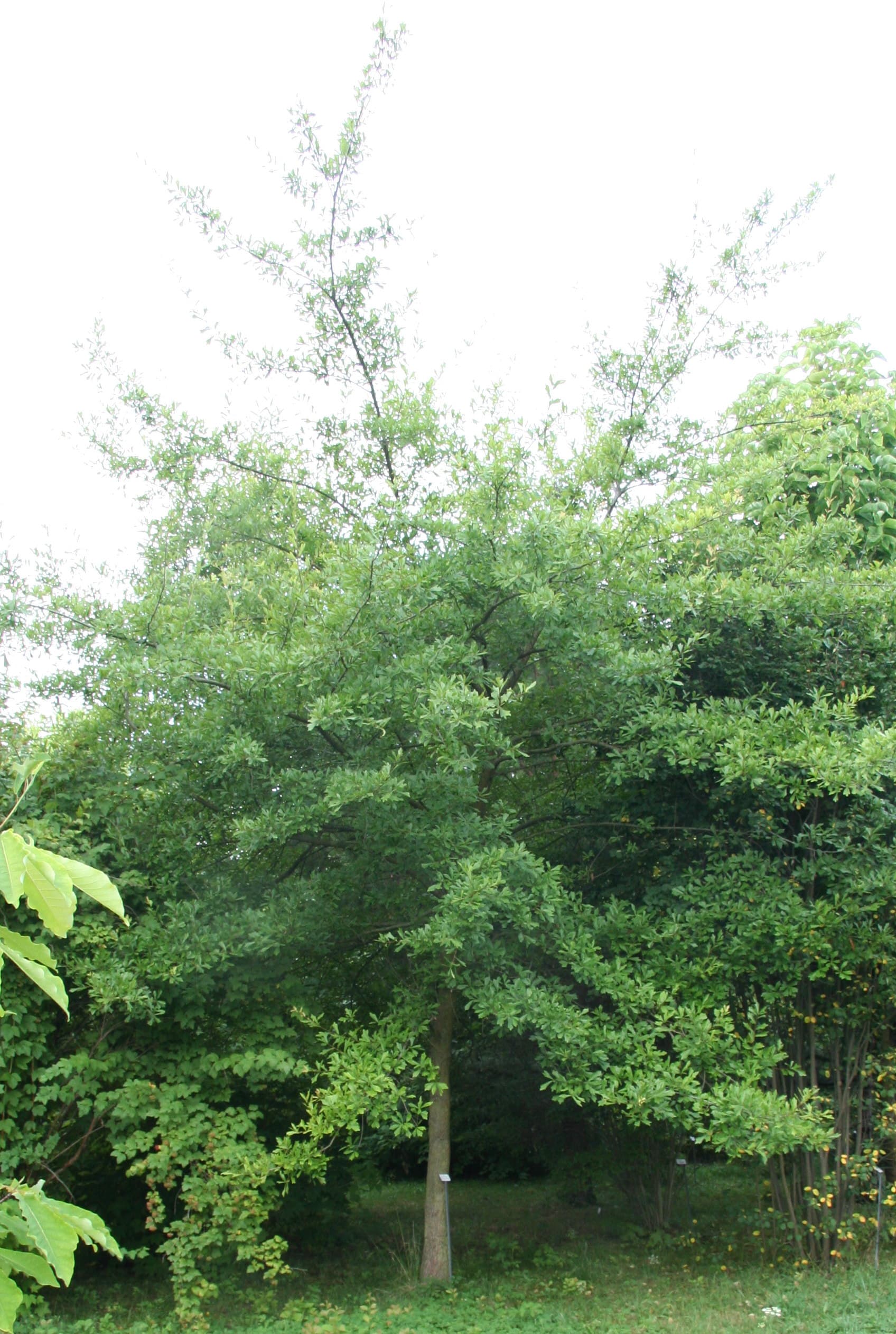 form
form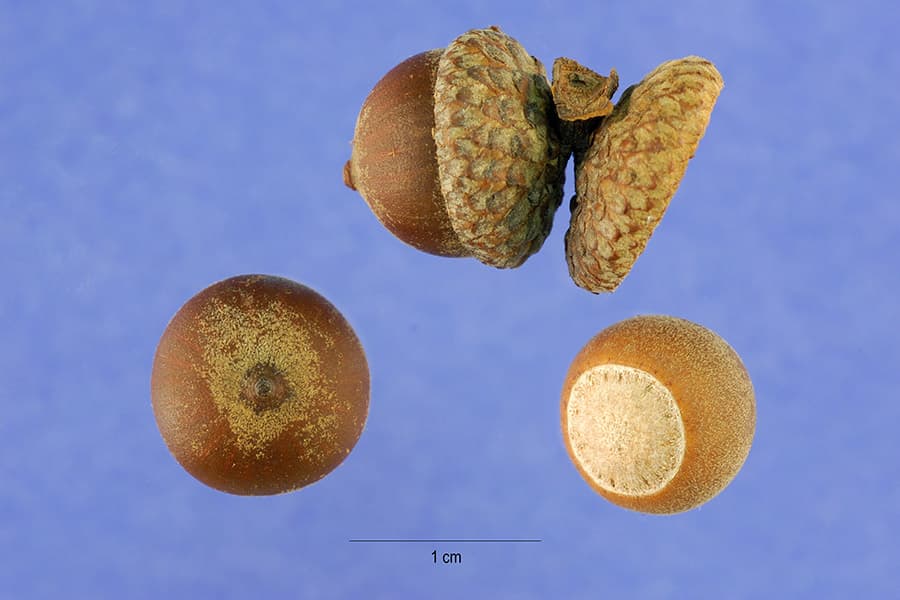 cone/fruit/seed
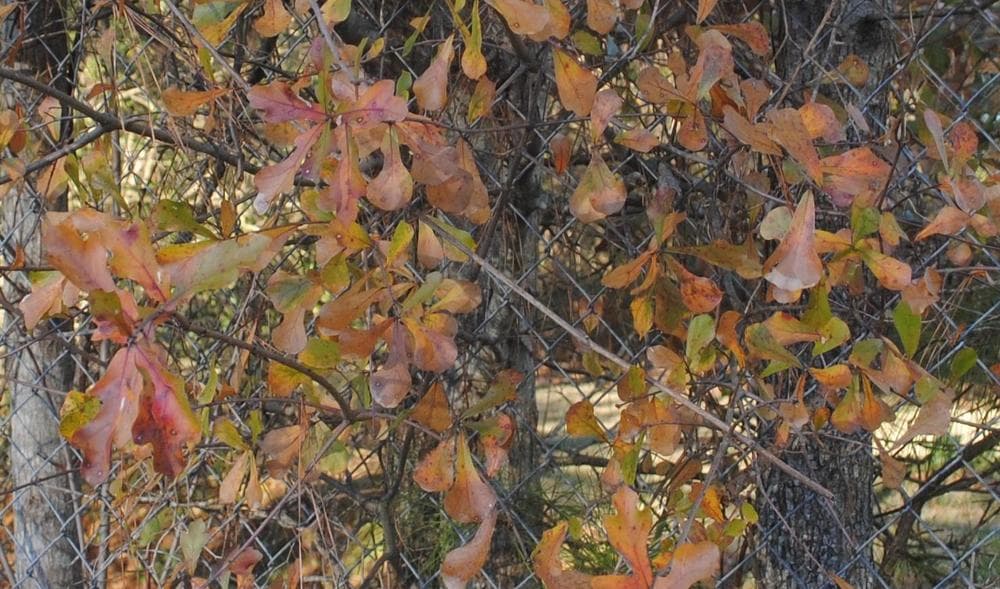 fallColor
Photos: some owner-supplied (no attribution required); others Wikimedia Commons / CC BY-SA 3.0–4.0
ID Features
- Spatula or duck-bill shaped leaves — highly variable on the same tree
- Dark, rough bark breaking into small blocks
- Semi-evergreen in north GA; broadly rounded crown
50–80 ft tall, 1–2.5 ft trunk diameter
Risk Notes
- Internal heart rot often advances silently — tree looks healthy while hollow
- Among the most common GA species to fail without warning
- Weak branch attachments common in upper canopy
- Relatively short-lived (60–80 yrs); risk increases sharply with age
Have mature trees professionally assessed every 2–3 years. Sonic or resistograph testing can detect internal decay not visible externally. Removal is often the safest option once significant decay is confirmed.
SOUTHERN RED OAK
Quercus falcata
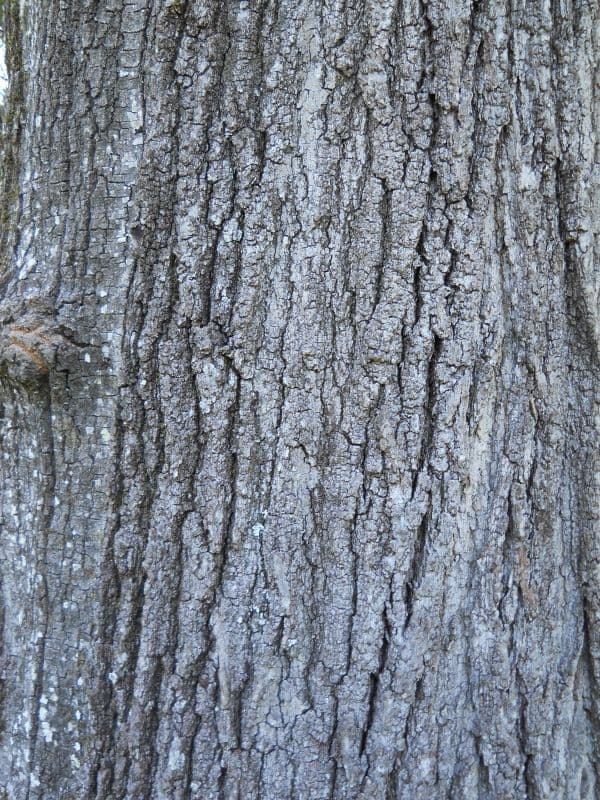 bark
bark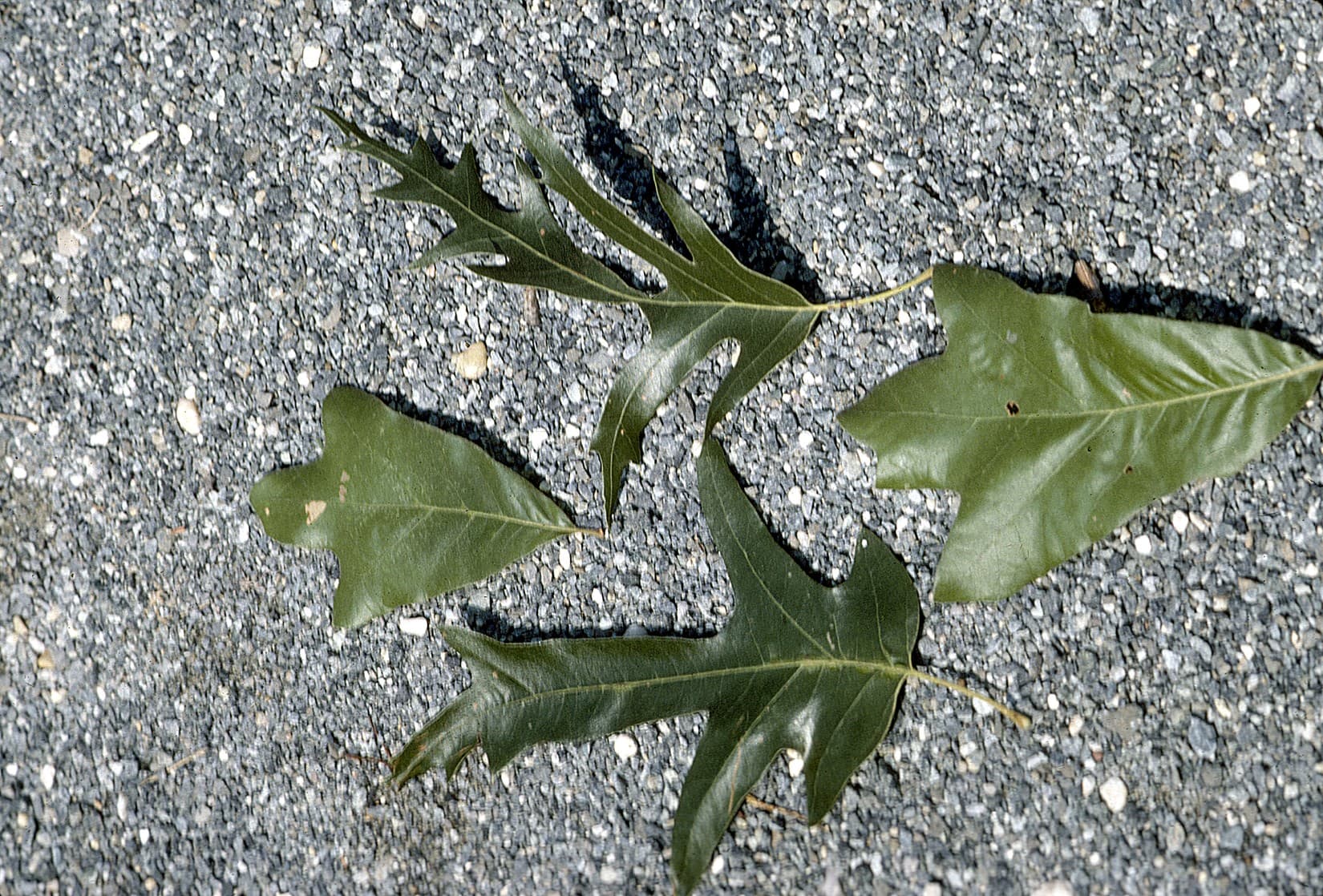 leaf
leaf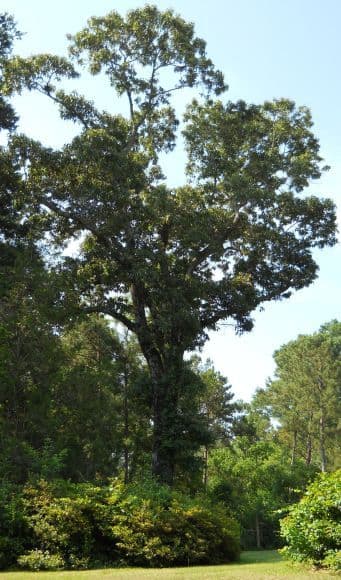 form
form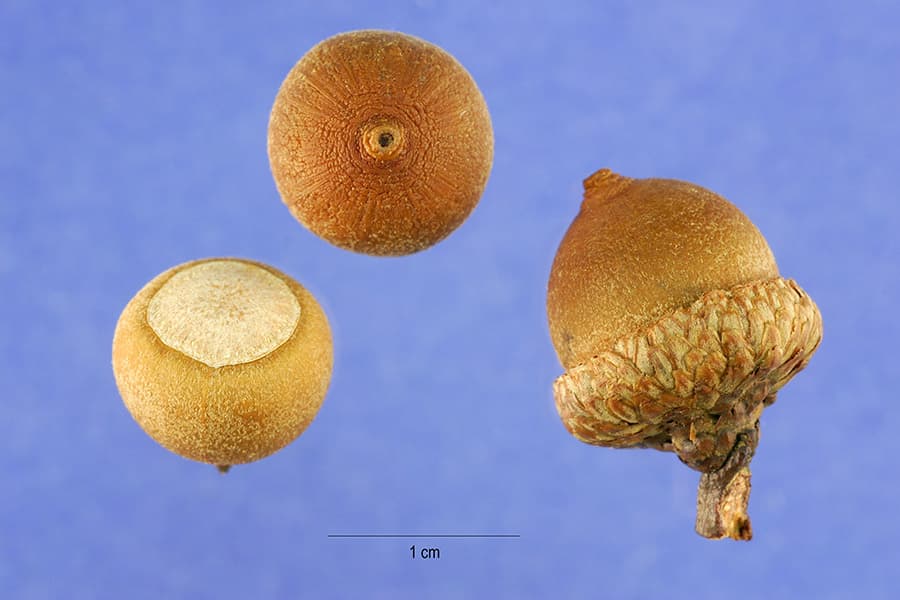 cone/fruit/seed
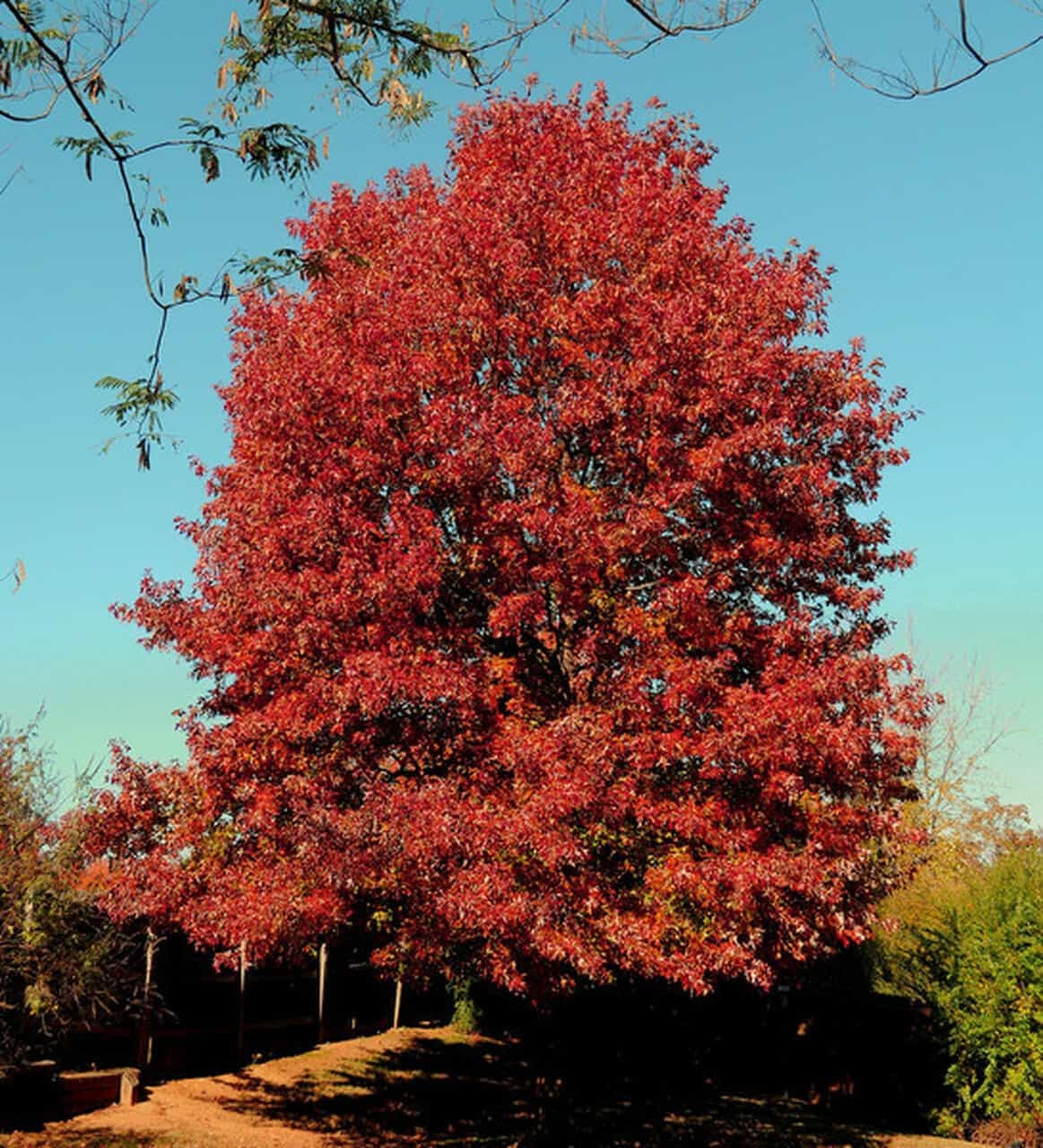 fallColor
Photos: some owner-supplied (no attribution required); others Wikimedia Commons / CC BY-SA 3.0–4.0
ID Features
- Large leaves with a distinctive bell-shaped base and 3–7 pointed lobes
- Reddish inner bark visible when scratched
- Fast-growing, broad crown — often asymmetric
70–80 ft tall, 1.5–3 ft trunk diameter
Risk Notes
- Fast growth means wood forms quickly — lower density, more brittle
- Relatively short-lived (60–100 yrs) with high storm failure rate
- Large canopy generates extreme sail effect in high winds
- Multiple large scaffold limbs can split off in severe storms
Crown reduction and structural pruning significantly lower wind resistance. Annual deadwood removal is important. Assess crown balance and any large lateral limbs overhanging structures.
SWEETGUM
Liquidambar styraciflua
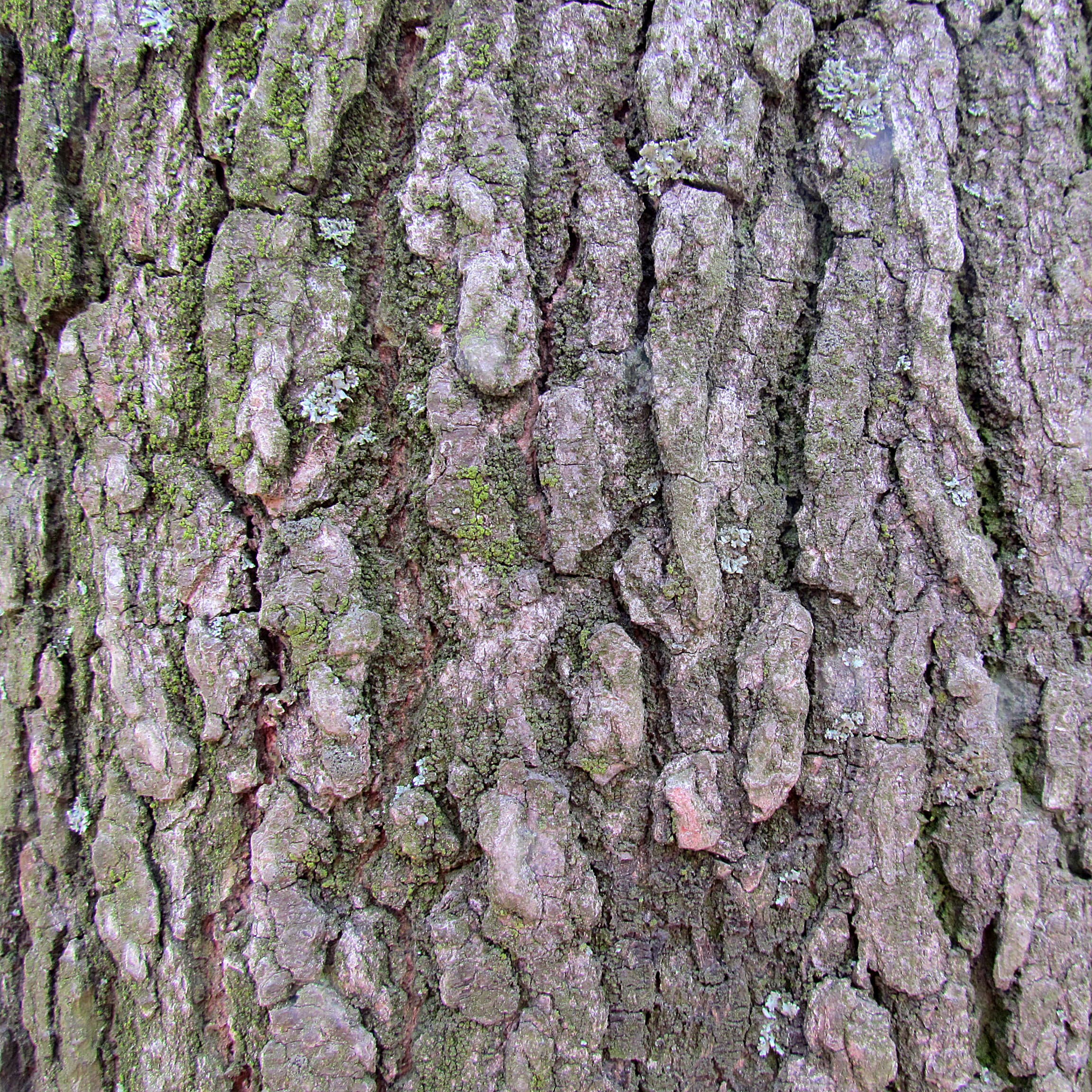 bark
bark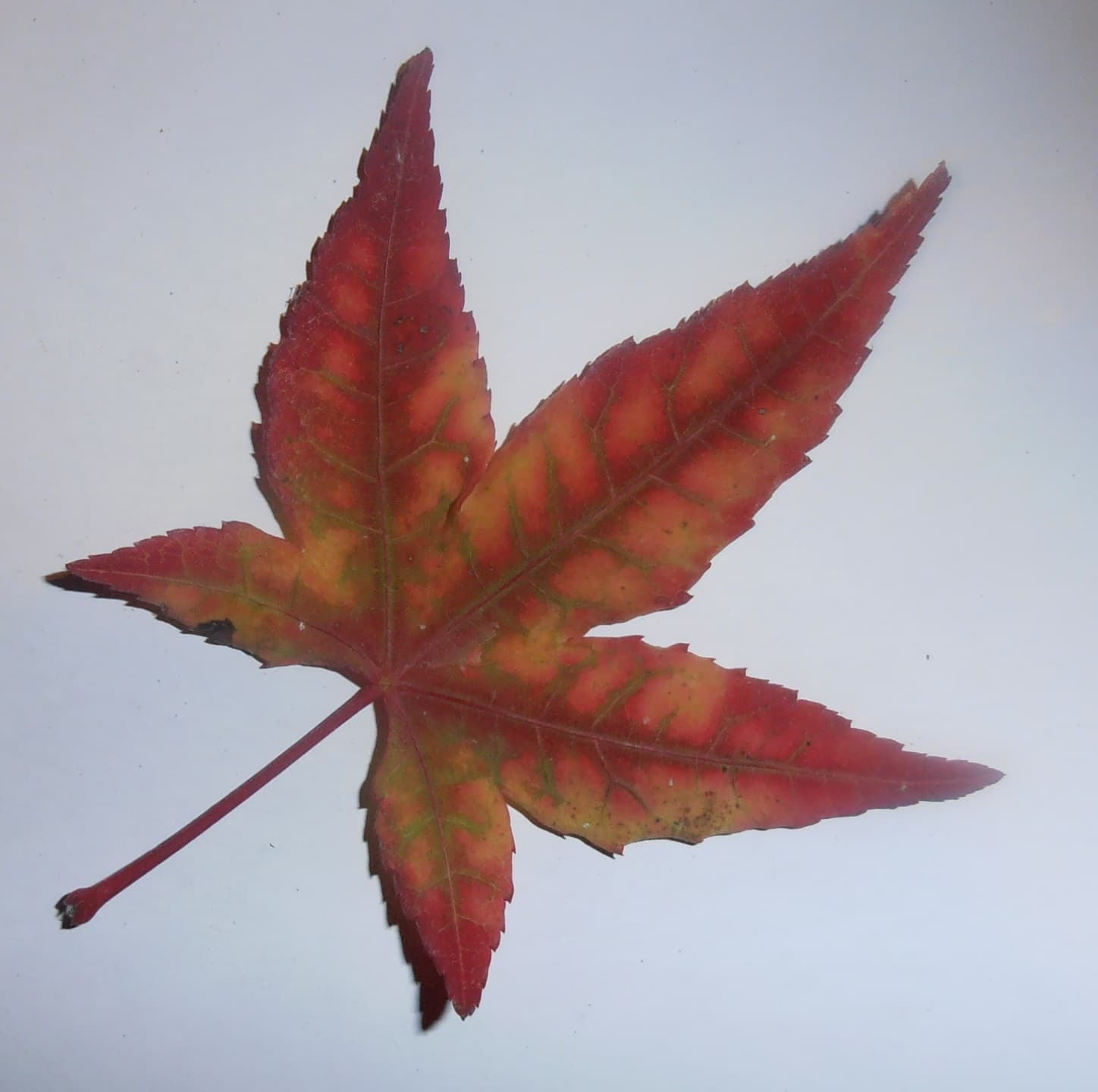 leaf
leaf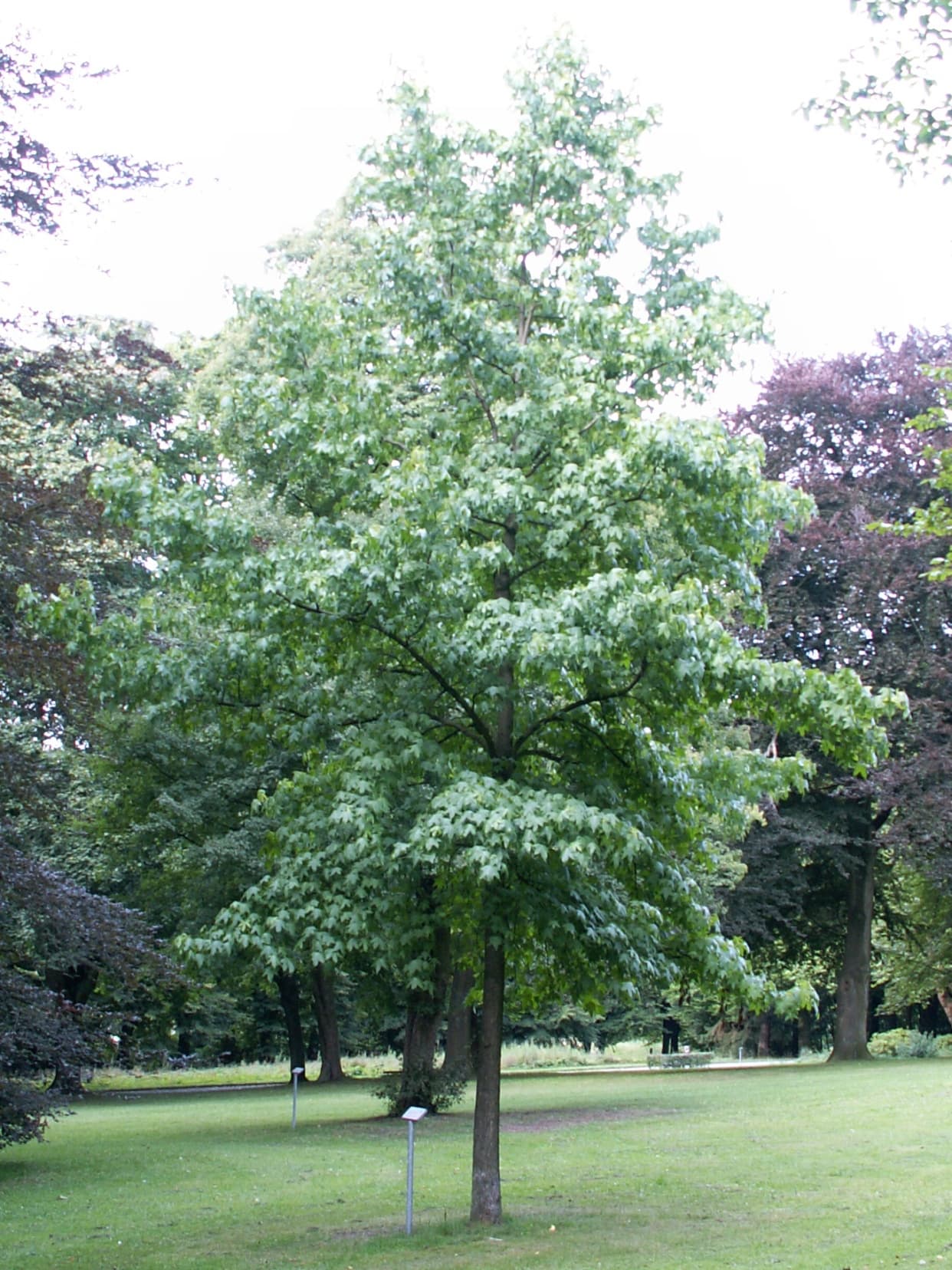 form
form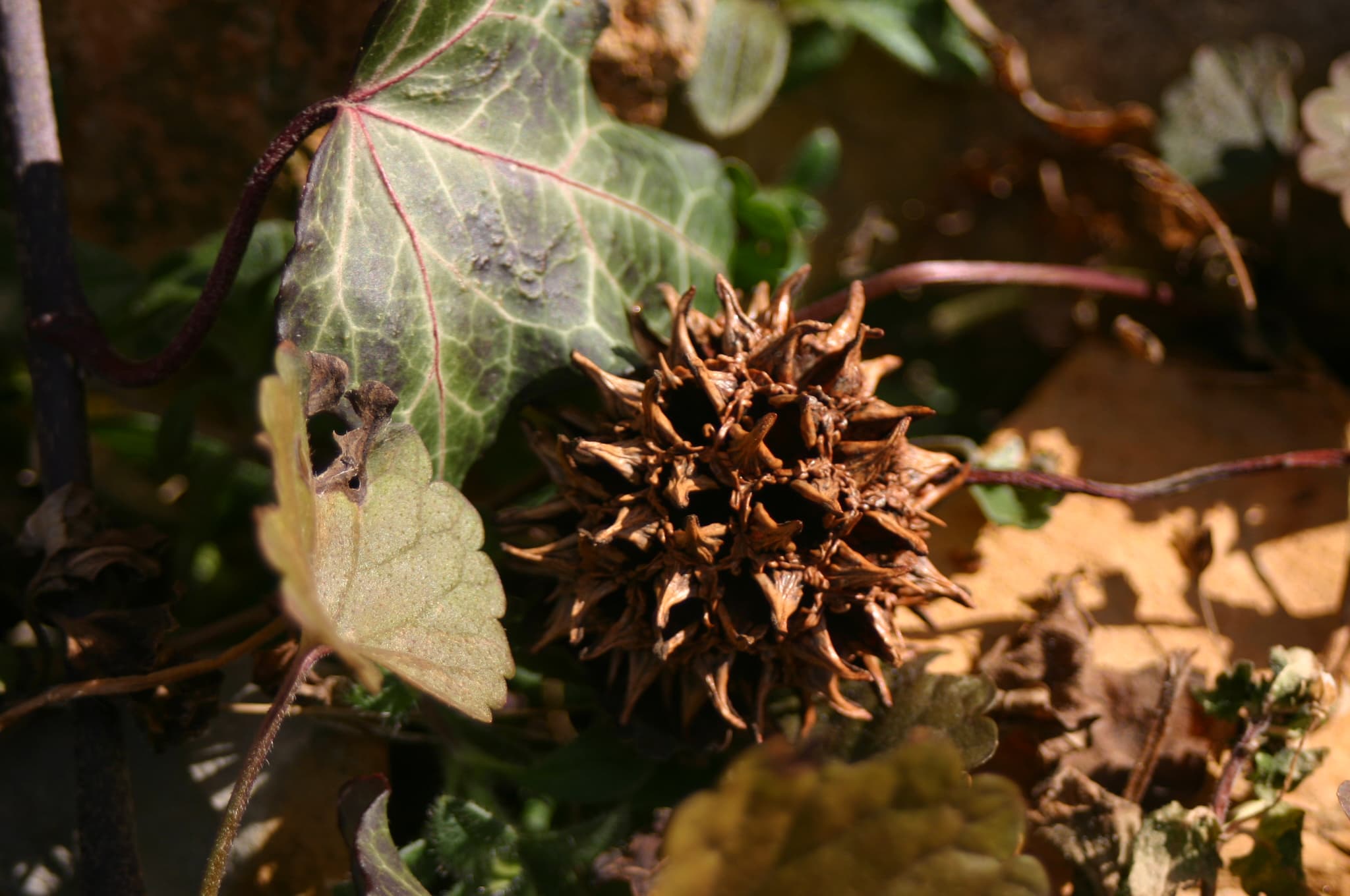 cone/fruit/seed
 fallColor
Photos: some owner-supplied (no attribution required); others Wikimedia Commons / CC BY-SA 3.0–4.0
ID Features
- Star-shaped 5–7 pointed leaves — vivid red/orange fall color
- Spiky brown seed balls ("gumballs") persist through winter
- Corky ridges on young branches are diagnostic
60–75 ft tall, 1–2 ft trunk diameter
Risk Notes
- Surface roots are highly invasive — uplift driveways, sidewalks, and foundations
- Gumball litter creates a year-round slip hazard
- Moderate storm risk — main trunk generally sound, but large limbs can fail
- Very difficult to remove due to deep tap root and lateral spread
Best managed away from hardscape. Regular pruning reduces limb failure risk. Gumball-free cultivars ('Rotundiloba') exist for new plantings. Root barriers at planting time prevent future damage.
TULIP POPLAR
Liriodendron tulipifera
 bark
bark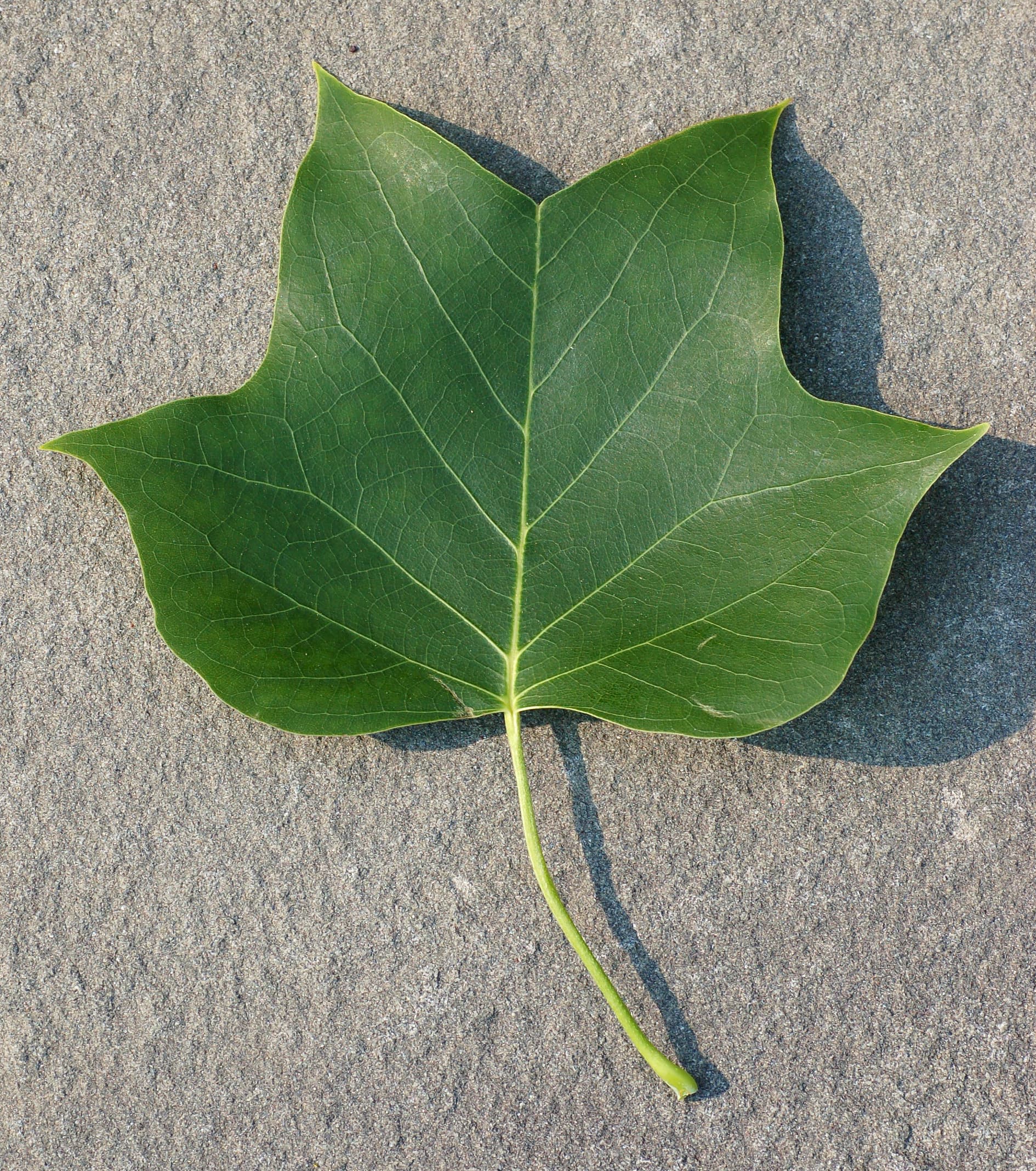 leaf
leaf form
form fallColor
 flower
Photos: some owner-supplied (no attribution required); others Wikimedia Commons / CC BY-SA 3.0–4.0
ID Features
- Distinctively shaped 4-lobed leaves with a flat or notched tip
- Yellow-green tulip-shaped flowers in spring
- Tall, straight trunk with furrowed gray bark; very high crown
70–120 ft tall, 2–4 ft trunk diameter
Risk Notes
- Very tall with a high, dense upper canopy — extreme wind load
- Upper branches are brittle; large limb drops are common after storms
- Shallow root system can destabilize in saturated soils
- Rapid growth produces wood that is less structurally sound
Crown reduction by a certified arborist lowers wind resistance significantly. Avoid planting within falling distance of structures. Inspect after every major storm for cracked or hanging branches.
EASTERN WHITE PINE
Pinus strobus
 bark
bark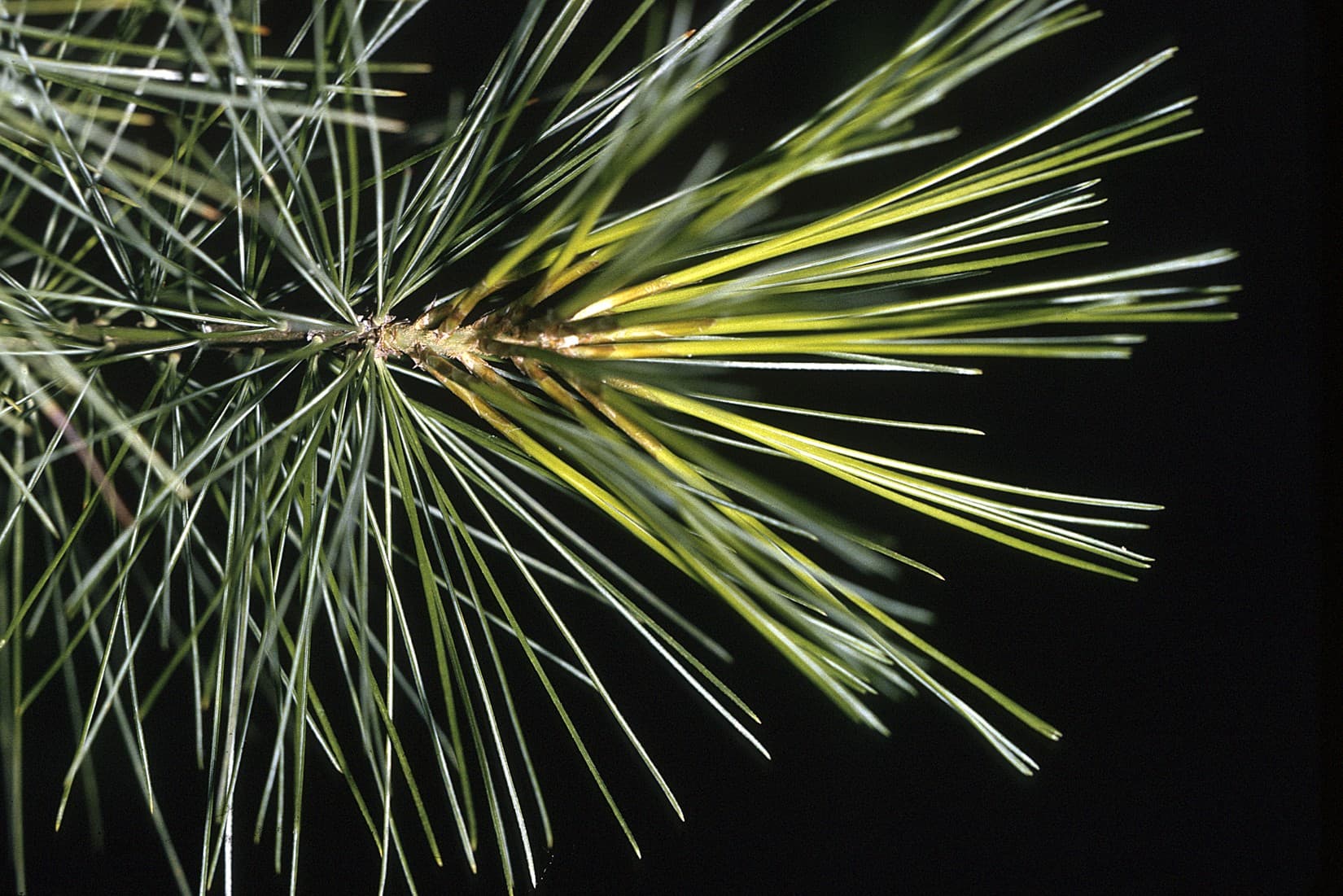 leaf
leaf form
form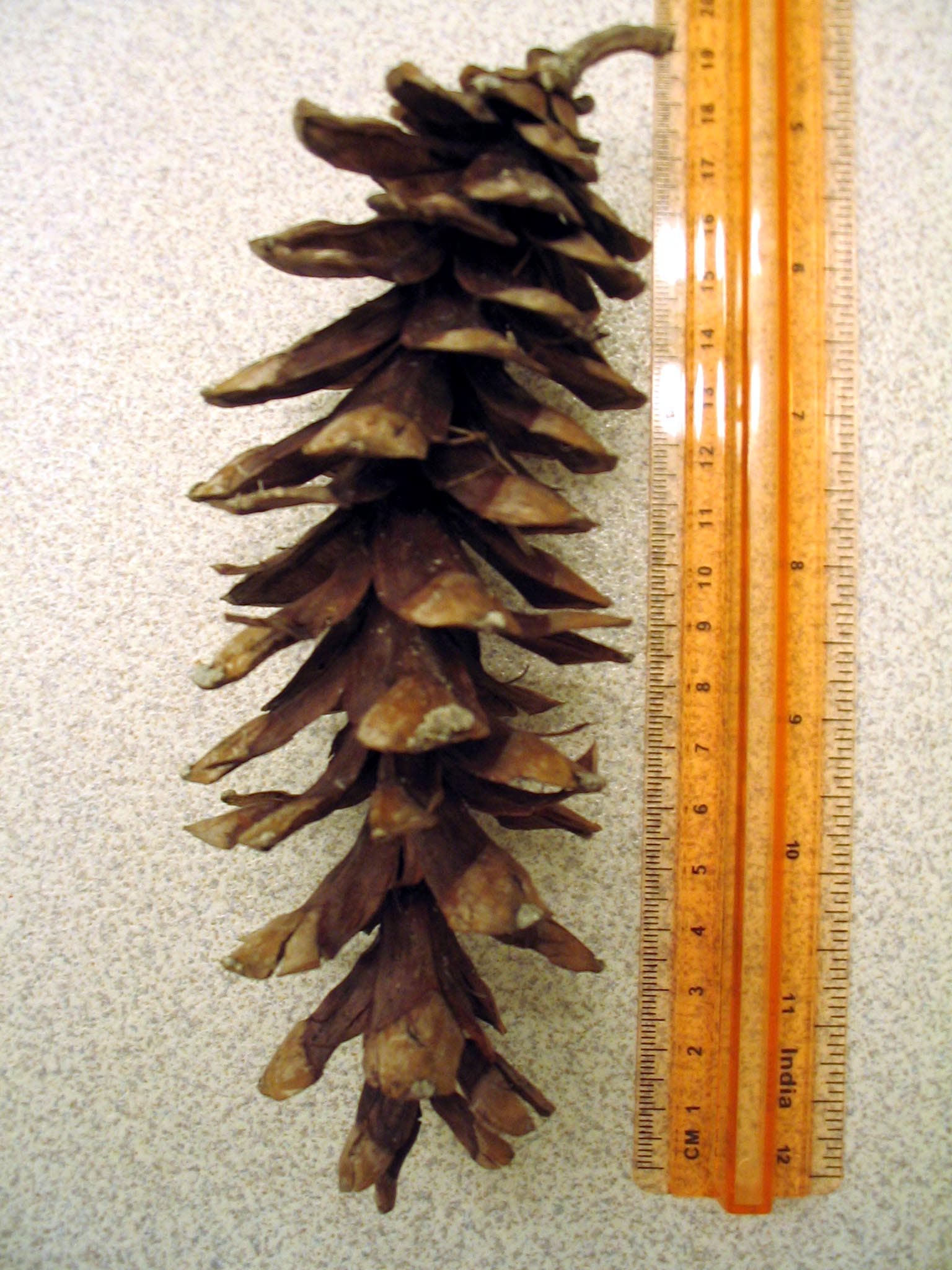 cone/fruit/seed
Photos: some owner-supplied (no attribution required); others Wikimedia Commons / CC BY-SA 3.0–4.0
ID Features
- Soft, blue-green needles in bundles of 5
- Long, slender cones (4–8 inches)
- Multi-stemmed or multi-leader habit is common
50–80 ft tall, 1–3 ft trunk diameter
Risk Notes
- Multi-stemmed form creates multiple failure points under ice or snow load
- Common in north GA; heavy wet snow and ice storms cause regular failures
- Root system is shallow — wind-throw risk on exposed sites
- White pine blister rust and needle blight can rapidly weaken trees
Reduce multi-stem failure risk by cable bracing or removing co-dominant stems early. Monitor for needle browning (blight) and treat promptly. Plant in well-drained, non-compacted soil.
LEYLAND CYPRESS
× Hesperotropsis leylandii
 bark
bark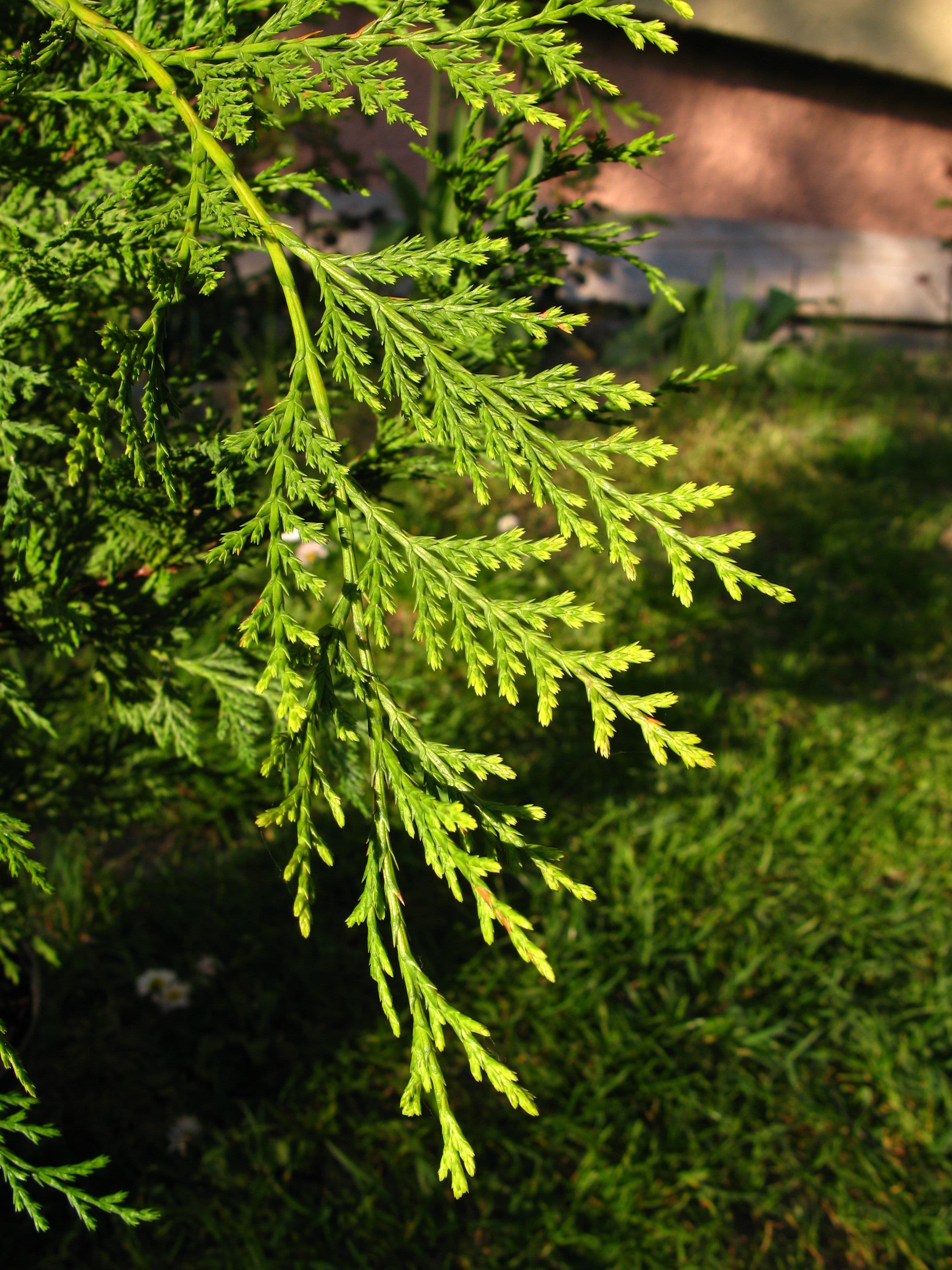 leaf
leaf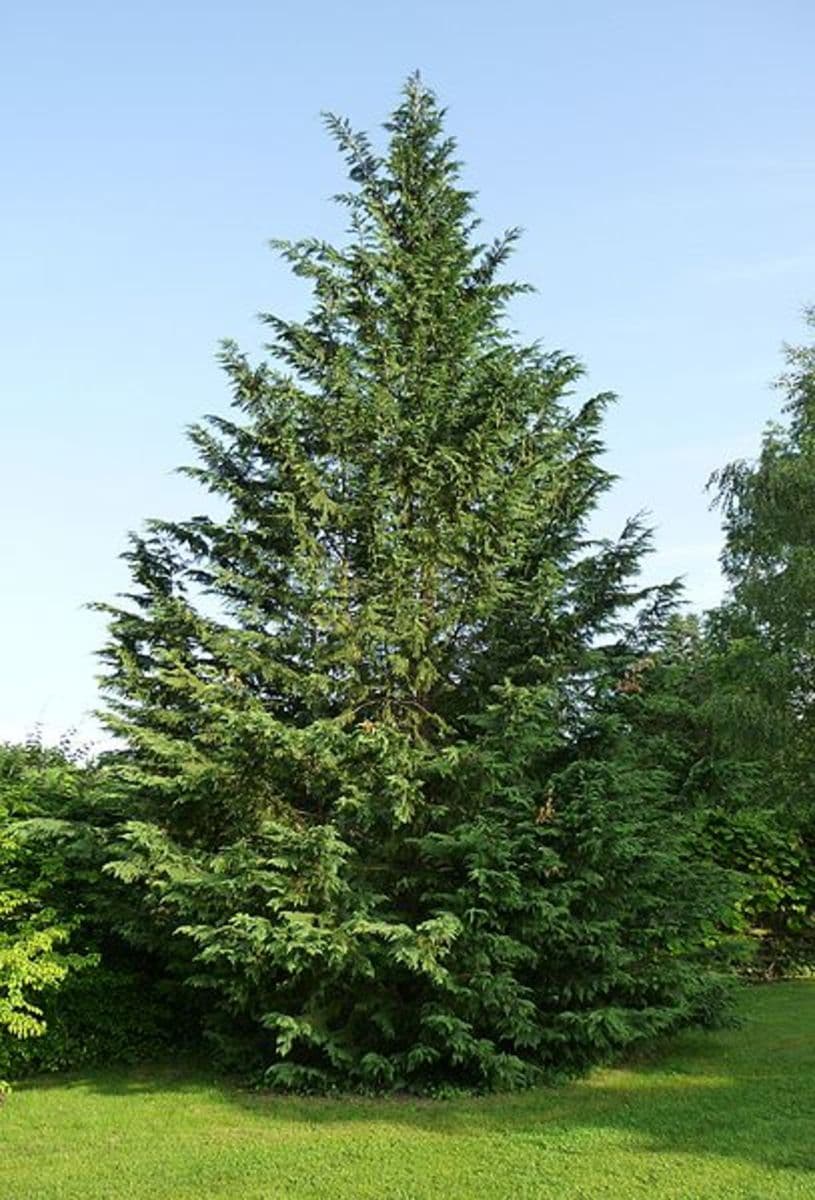 form
form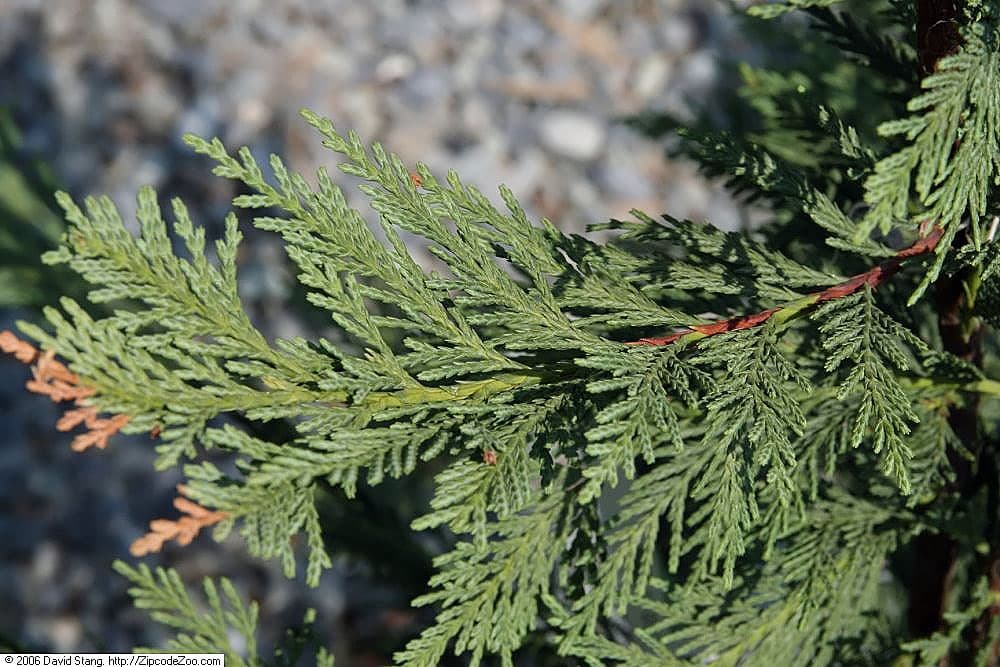 cone/fruit/seed
Photos: some owner-supplied (no attribution required); others Wikimedia Commons / CC BY-SA 3.0–4.0
ID Features
- Dense, flat sprays of scale-like foliage — dark green year-round
- Fast-growing columnar or pyramidal silhouette
- Commonly planted in tight rows as a privacy screen
60–70 ft tall, 1–2 ft trunk diameter
Risk Notes
- Highly susceptible to Seiridium canker — causes branch dieback from inside out
- Bagworms can strip foliage and kill trees in a single season if untreated
- Planted too densely, inner foliage dies creating a fire hazard
- Shallow roots make them vulnerable to wind-throw when isolated
Space at least 8–10 ft apart. Inspect annually for sunken, resin-soaked canker lesions on branches. Prune and destroy cankered wood immediately. No chemical cure exists for Seiridium — removal is often necessary for heavily infected trees.
BRADFORD PEAR
Pyrus calleryana
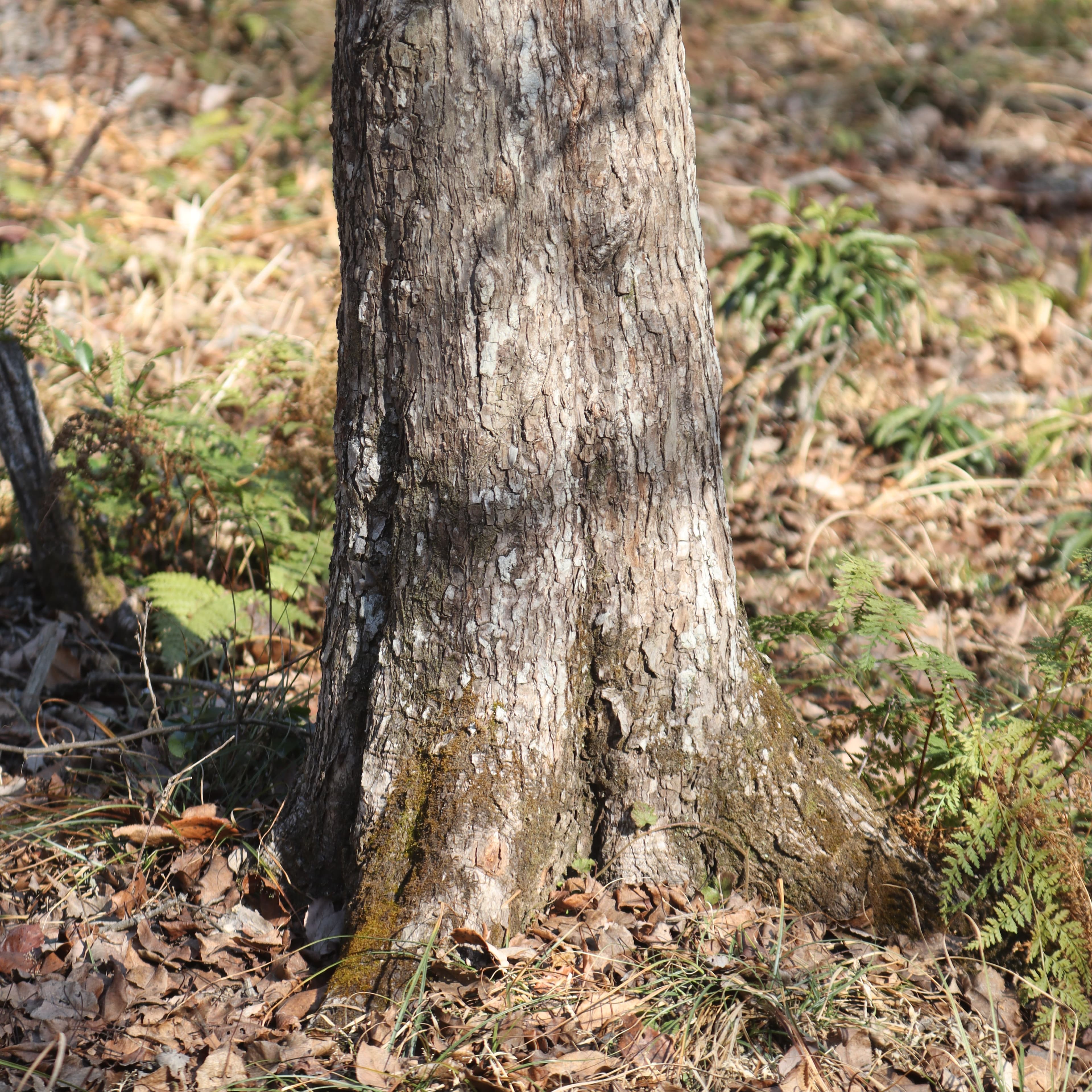 bark
bark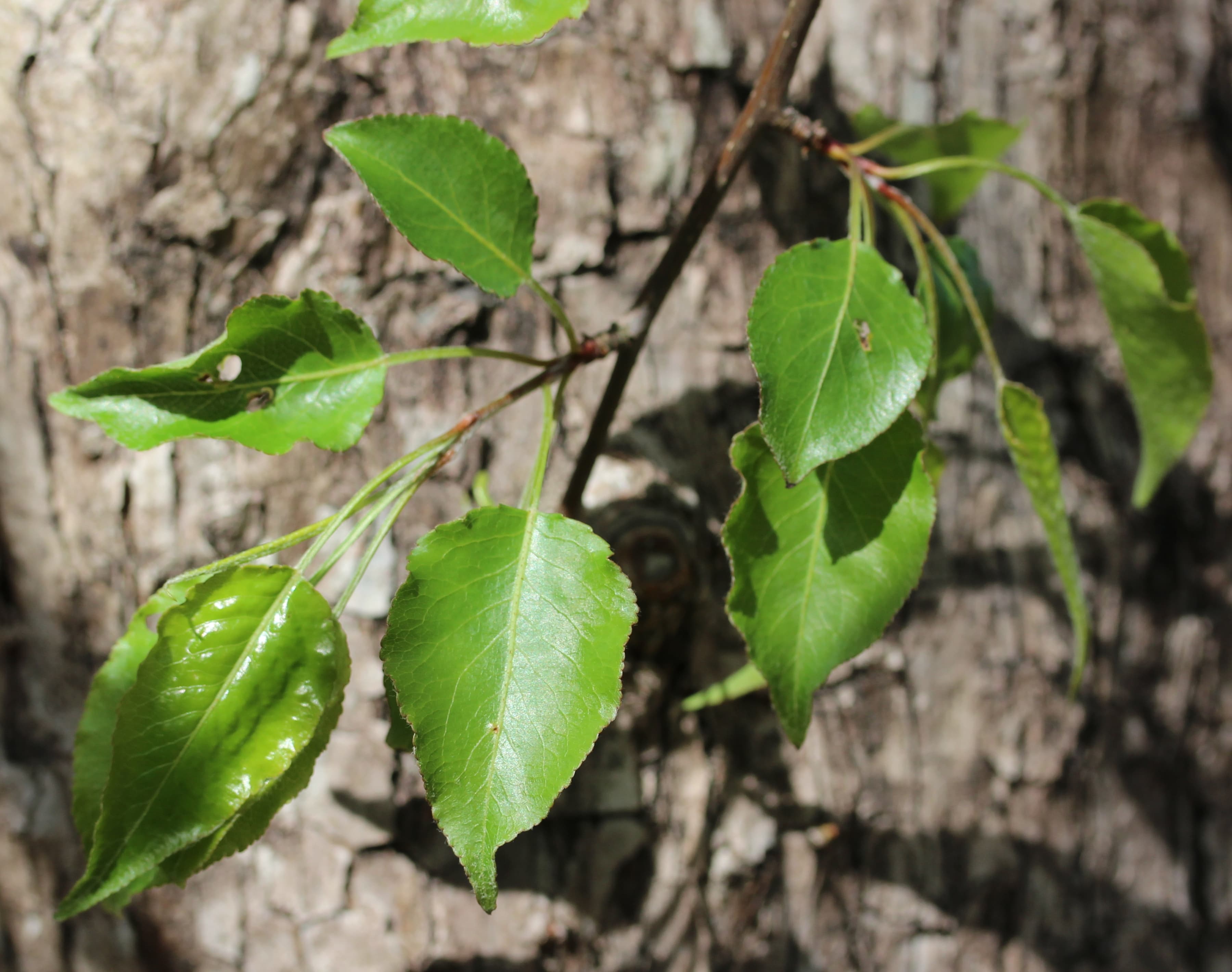 leaf
leaf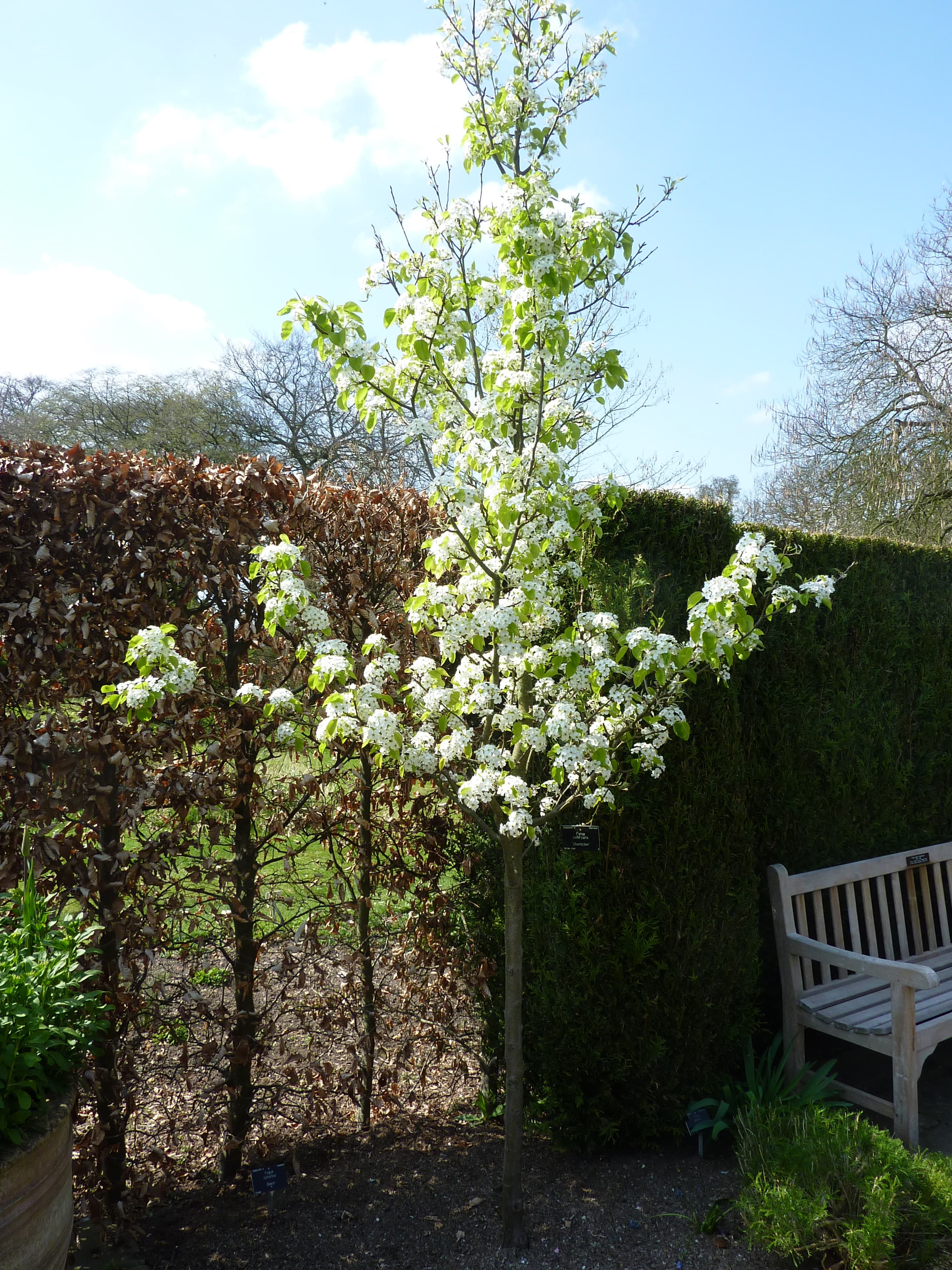 form
form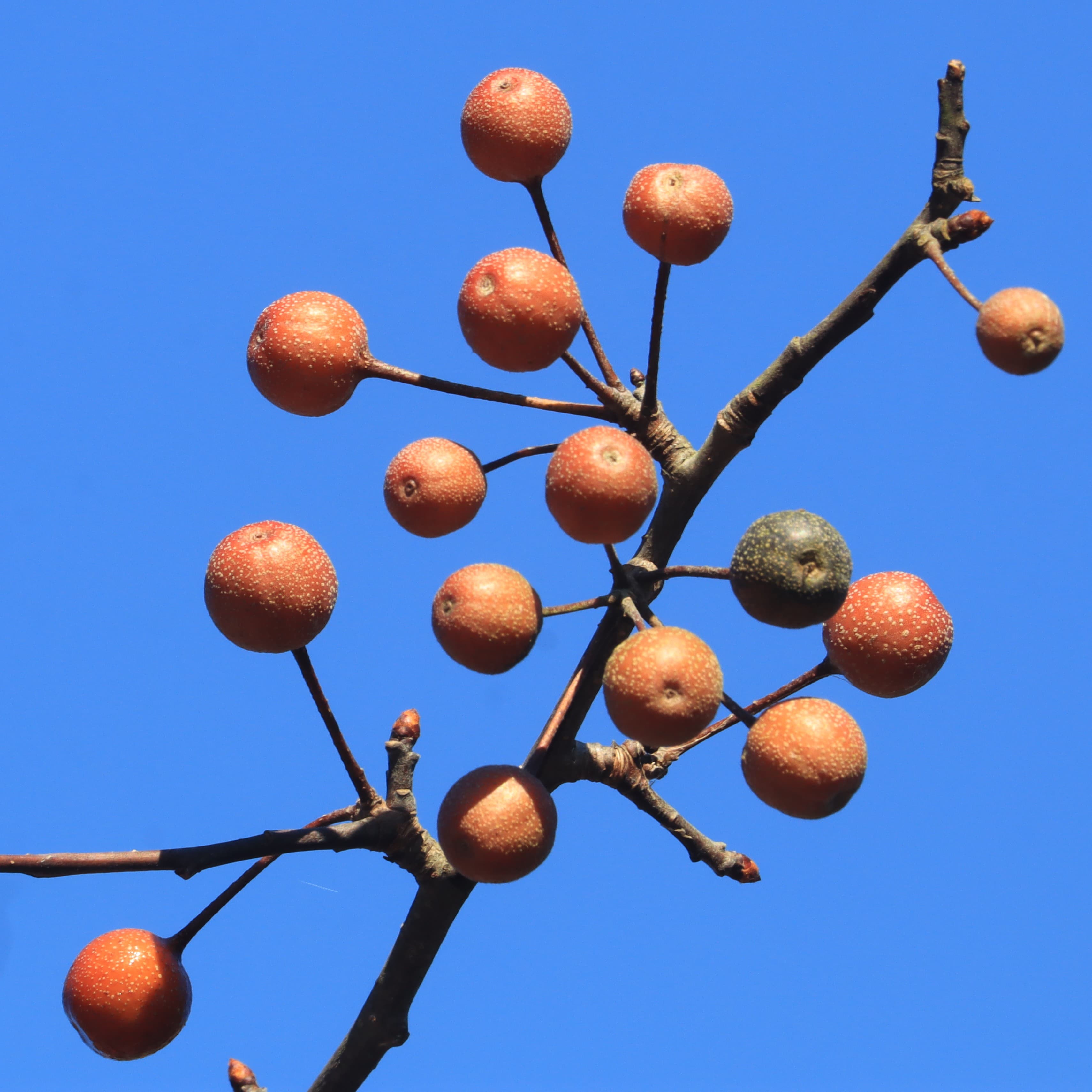 cone/fruit/seed
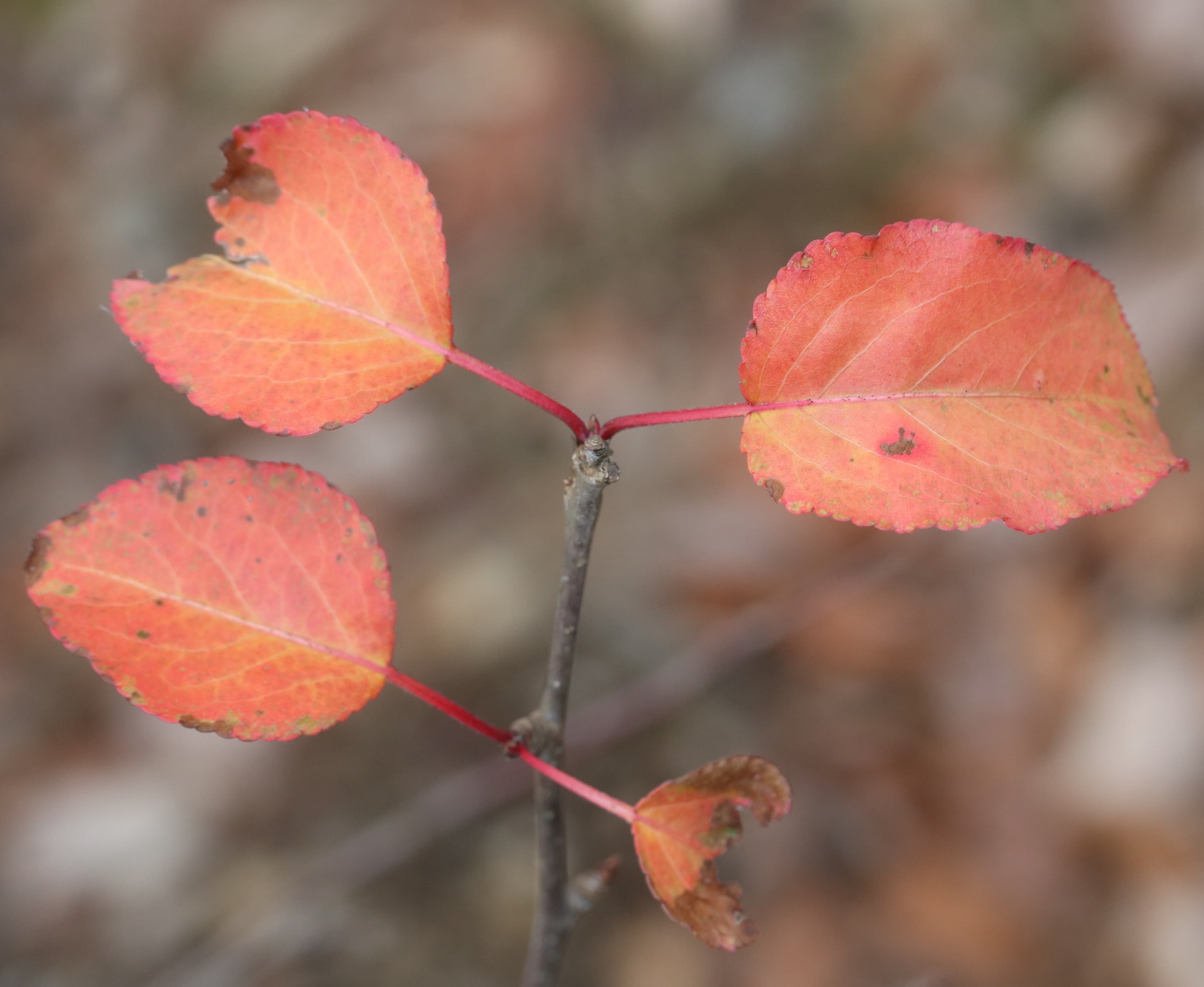 fallColor
Photos: some owner-supplied (no attribution required); others Wikimedia Commons / CC BY-SA 3.0–4.0
ID Features
- Dense, symmetrical oval canopy when young
- White flowers in early spring (unpleasant odor)
- Small reddish-brown fruit clusters in fall
30–50 ft tall, 1–1.5 ft trunk diameter
Risk Notes
- Extreme structural failure risk — narrow V-crotch branch unions lack bark inclusion resistance
- Most trees split catastrophically at 10–15 years of age
- Now banned from Georgia nurseries due to invasive spread
- Reverts to wild callery pear (thorned, invasive) through bird-spread seed
Replacement is strongly recommended. Georgia has banned further nursery sales. Replace with native alternatives: serviceberry (Amelanchier), fringe tree (Chionanthus), or native plums. If kept, annual structural pruning reduces (but does not eliminate) the splitting risk.
CREPE MYRTLE
Lagerstroemia indica
 bark
bark leaf
leaf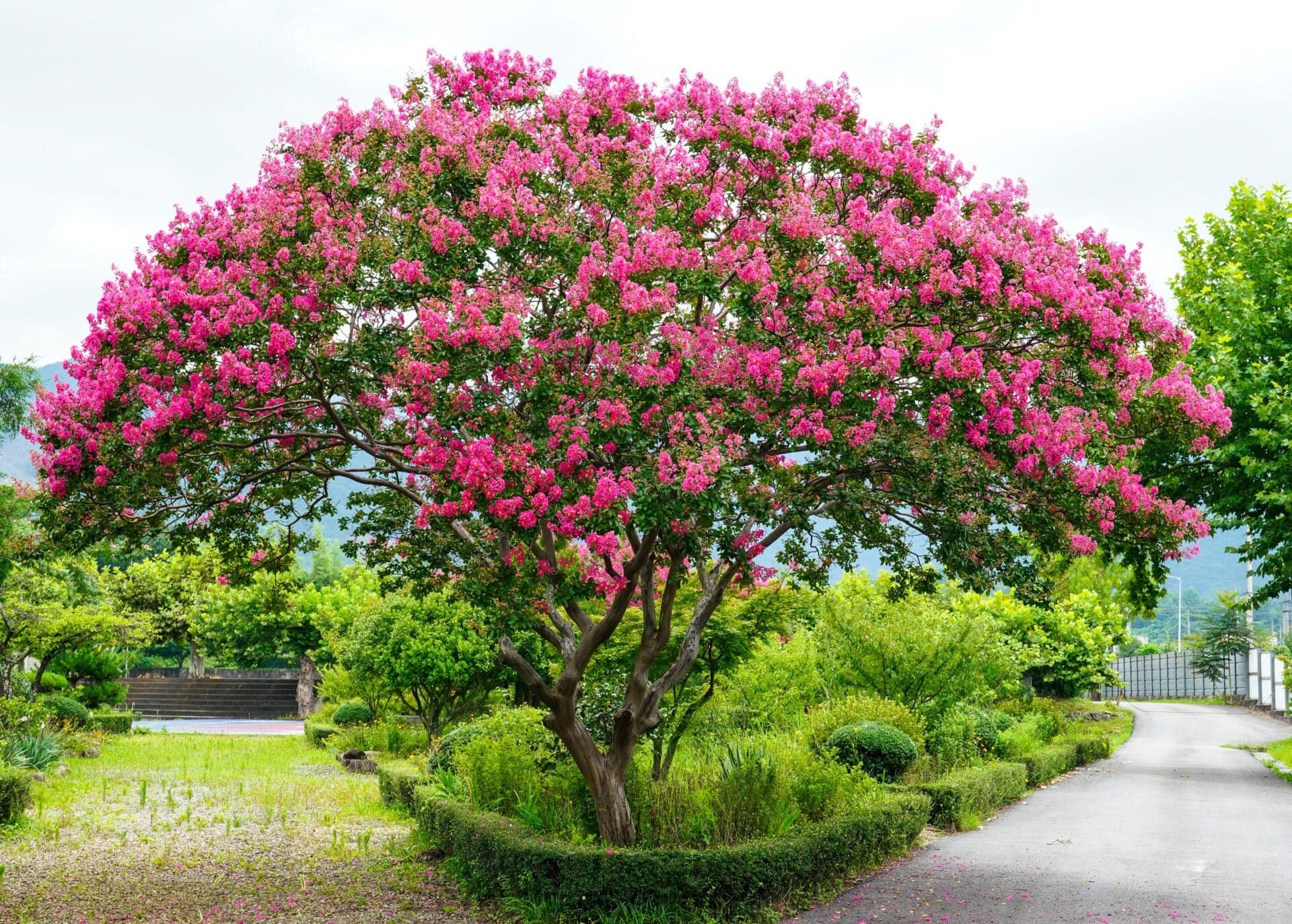 form
form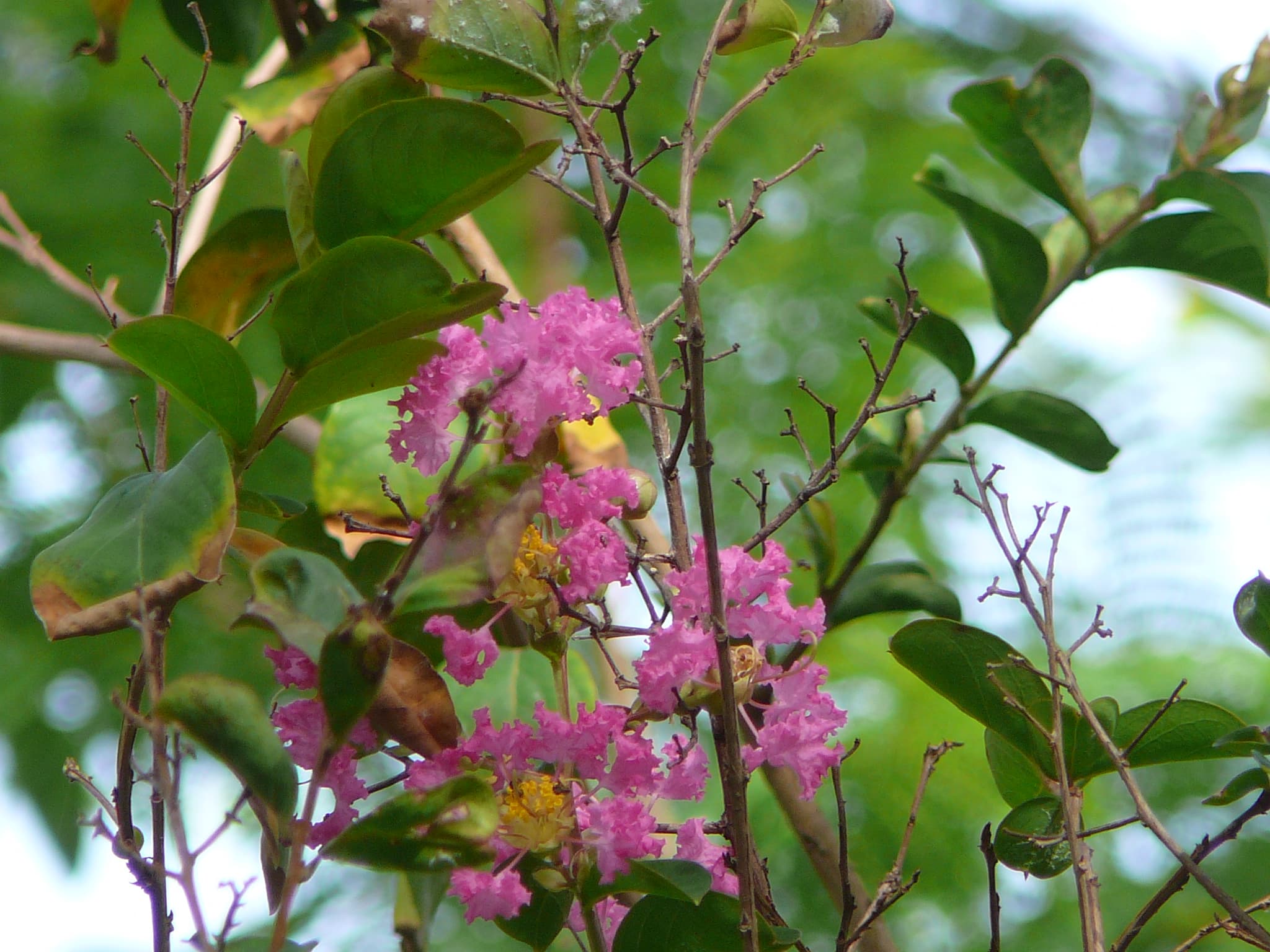 cone/fruit/seed
 fallColor
 flower
Photos: some owner-supplied (no attribution required); others Wikimedia Commons / CC BY-SA 3.0–4.0
ID Features
- Smooth, peeling, multicolored bark — tan, gray, cinnamon
- Crinkled petals in white, pink, red, or purple in summer
- Multi-stemmed vase shape; fine-textured foliage
15–30 ft tall (varies by cultivar), 6–12 in trunk diameter
Risk Notes
- "Crepe murder" — aggressive topping destroys natural form and creates weak regrowth
- Topping leads to clusters of weakly attached water sprouts that break off in storms
- Powdery mildew and aphids are common but rarely fatal
- Minimal structural risk when properly maintained
Never top. Prune only to remove crossing branches, dead wood, or branches below 6 ft. Select a cultivar sized to your space — do not try to "control" an oversized variety by cutting. Proper pruning means removing branches no larger than a pencil in diameter each year.
AMERICAN HOLLY
Ilex opaca
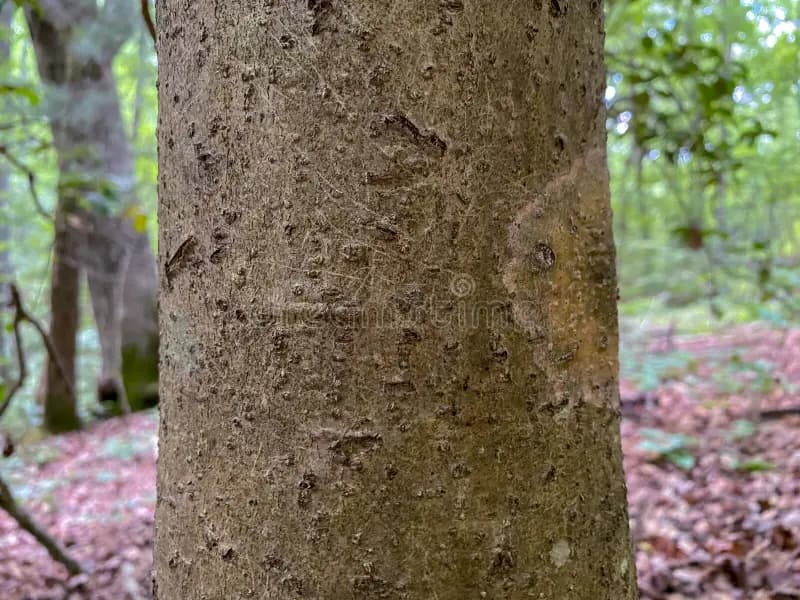 bark
bark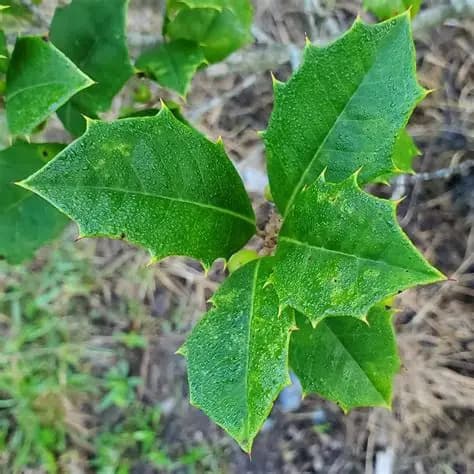 leaf
leaf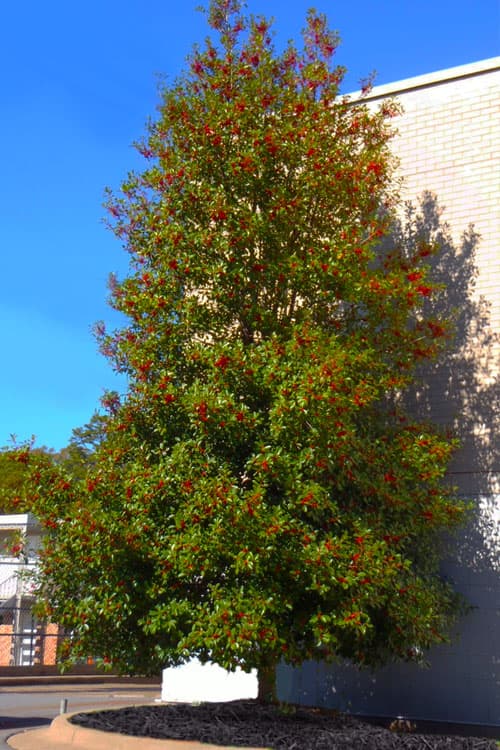 form
form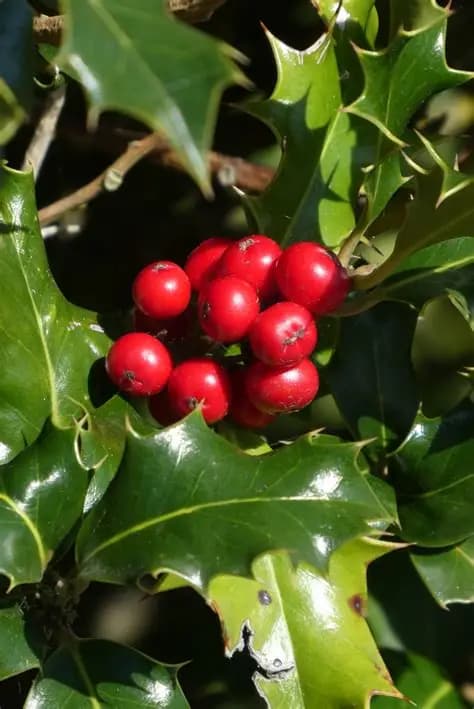 cone/fruit/seed
Photos: some owner-supplied (no attribution required); others Wikimedia Commons / CC BY-SA 3.0–4.0
ID Features
- Spiny, glossy evergreen leaves with wavy margins
- Bright red berries persist through winter (female trees only)
- Dense, pyramidal to oval crown; smooth gray bark
15–50 ft tall, 6–18 in trunk diameter
Risk Notes
- Among the lowest-risk trees for structural failure in GA
- Dense evergreen canopy can collect ice in winter storms — minor risk
- No significant disease or pest threats in the Southeast
- Very rarely poses hazard to structures when not over-planted
Minimal maintenance needed. Light pruning in late winter to shape. Plant male and female trees near each other for berry production. Excellent native alternative to Leyland Cypress for screening with far lower risk profile.
WHY SPECIES ID MATTERS FOR HOME SAFETY
Not all trees fail the same way. A Water Oak can look perfectly healthy right up until the day it falls — because internal heart rot advances silently. A Bradford Pear gives you roughly a decade before its V-shaped branch unions split apart, often taking out fences, cars, or rooflines. A Loblolly Pine growing 80 feet from your house is a very different conversation than one growing 15 feet away with compromised roots.
Our certified arborists assess trees by species, structure, soil conditions, and proximity to your home — then give you a straight answer about what needs to come down, what needs pruning, and what's fine to leave alone. We don't upsell removal on trees that don't need it.
If a tree on this list is within striking distance of your home, call us for a free on-site assessment. We serve Marietta, Kennesaw, Smyrna, Acworth, and the greater Cobb County area.
CONCERNED ABOUT A TREE IN YOUR YARD?
GET A FREE ON-SITE ASSESSMENT.
Our arborists evaluate species, structure, and proximity to your home — and tell you exactly what needs action. No pressure, no upsell.